
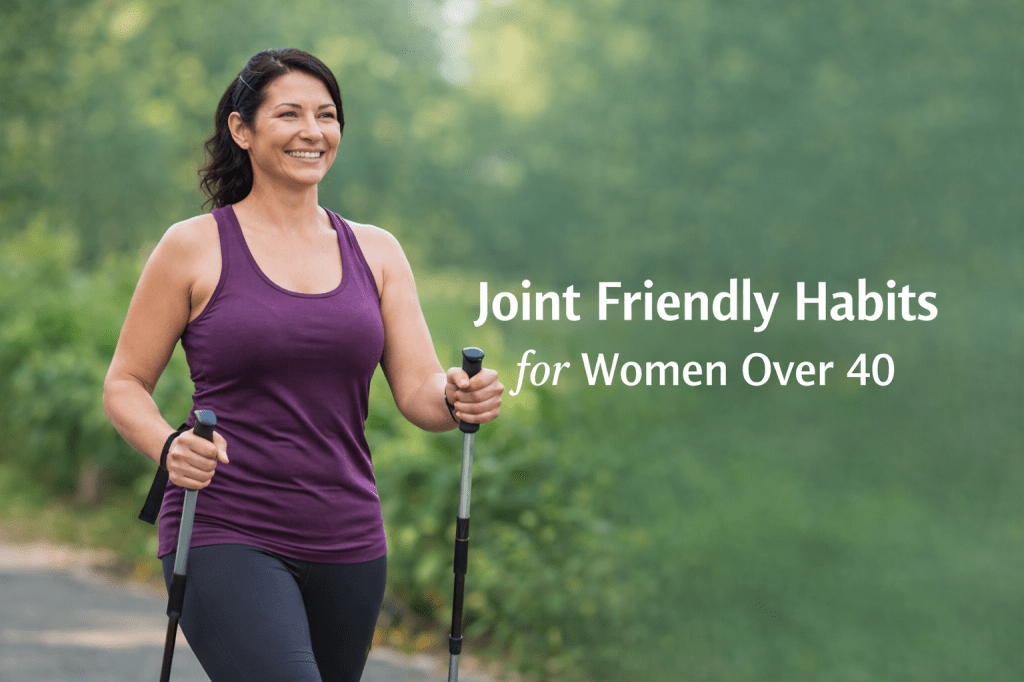
If your knees feel stiff in the morning, your hands ache more than they used to, or your joints protest after simple movement, your body is not breaking down. Your body is responding to rising inflammation and shifting hormones. This change happens for many women after 40, and food plus daily habits play a direct role in how your joints feel.
Joint pain after 40 rarely starts in the joints. It starts in your immune system, your gut, and your hormone balance.
Why Joint Pain Increases After 40
After 40, estrogen begins to decline. Estrogen protects joints by controlling inflammation. As levels fall, inflammatory markers rise. At the same time, gut permeability increases, blood sugar control weakens, and recovery slows. These changes create the perfect environment for chronic joint pain.
Women in midlife show higher levels of C reactive protein, one of the main inflammation markers tied to joint pain and stiffness.
The Foods That Calm Joint Inflammation
Oily Fish
Salmon, sardines, mackerel, anchovies
Rich in omega 3 fatty acids which reduce inflammatory cytokines and improve joint mobility.
Extra Virgin Olive Oil
Acts similarly to anti inflammatory medication by blocking inflammatory enzymes.
Berries
Blueberries, strawberries, blackberries
Protect joint tissue from oxidative damage.
Leafy Greens
Spinach, kale, arugula
Supply magnesium and antioxidants essential for joint health.
Turmeric and Ginger
Both reduce pain signaling in the body and improve circulation to stiff joints.
Nuts and Seeds
Walnuts, chia, flax, pumpkin seeds
Support cartilage repair and reduce inflammatory load.
Foods That Make Joint Pain Worse
Refined sugar
White flour and baked goods
Seed oils such as canola, soybean, sunflower
Ultra processed snacks
Sugary drinks
Studies show these foods increase inflammatory markers and worsen arthritis symptoms within weeks.
Daily Habits That Protect Your Joints
Walk daily
Walking lubricates joints, improves circulation, and reduces stiffness.
Strength training twice weekly
Muscle protects joints. Loss of muscle increases joint load and pain.
Hydration
Dehydrated cartilage becomes stiff and painful. Aim for steady water intake all day.
Sleep before midnight
Deep sleep lowers inflammatory hormones and supports tissue repair.
Stress management
Chronic stress elevates cortisol, which accelerates joint inflammation.
How Long Before You Feel a Difference
Most women notice reduced stiffness within two to three weeks of consistent anti inflammatory eating and movement. Joint mobility continues improving for several months as inflammation falls.
How Rebalance 40 Supports Your Joint Health
Rebalance 40 gives you the food plans, daily symptom tracking, and habit structure built for women over 40. You stop guessing. Your body shows you what works. Your joints respond.
If joint pain is slowing you down, this is where your reset begins.
 Rebalance40
Leave a comment