
Beetroot is often recommended for circulation, energy, and inflammation support. It contains compounds linked to nitric oxide production, which supports blood flow.
Some women feel energised after adding beetroot. Others feel nothing. A few feel worse.
This does not mean beetroot is good or bad. It means context matters.
Why beetroot responses vary
Beetroot can:
• support circulation
• influence blood sugar responses
• interact with hydration and exercise
If eaten at the wrong time or without enough protein or fat, beetroot may spike blood sugar for some women. For others, it supports steady energy.
After 35, blood sugar tolerance often changes. Hormones influence how the body responds.
How beetroot reduces inflammation
Chronic inflammation is driven by oxidative stress and immune overactivation. Beetroot directly counteracts both processes.
Polyphenols and betalains in beetroot neutralise free radicals before they damage tissues and trigger inflammatory signaling. Beetroot also inhibits pro-inflammatory enzymes and cytokines that contribute to joint pain, vascular inflammation, and cellular ageing.
This makes beetroot particularly effective for reducing low-grade chronic inflammation that underlies fatigue, joint stiffness, digestive discomfort, and metabolic imbalance.
Beetroot, energy, and metabolic health
By increasing nitric oxide production, beetroot enhances mitochondrial efficiency and oxygen utilisation. This leads to improved cellular energy production and reduced fatigue.
Studies show beetroot improves exercise performance, endurance, and recovery by lowering the oxygen cost of physical activity and improving muscle efficiency. For everyday life, this translates into more stable energy, reduced exhaustion, and improved physical resilience.
Beetroot also supports metabolic health by reducing inflammation in adipose tissue and improving lipid metabolism, helping protect against insulin resistance and cardiovascular disease.
Beetroot and brain health
Improved cerebral blood flow supports cognitive performance, memory, and mental clarity. Beetroot’s anti-inflammatory and antioxidant compounds also protect neurons from oxidative damage and age-related decline.
Research links regular beetroot intake to improved cognitive function and reduced risk of neurodegenerative conditions.
Why beetroot chips are an effective daily habit
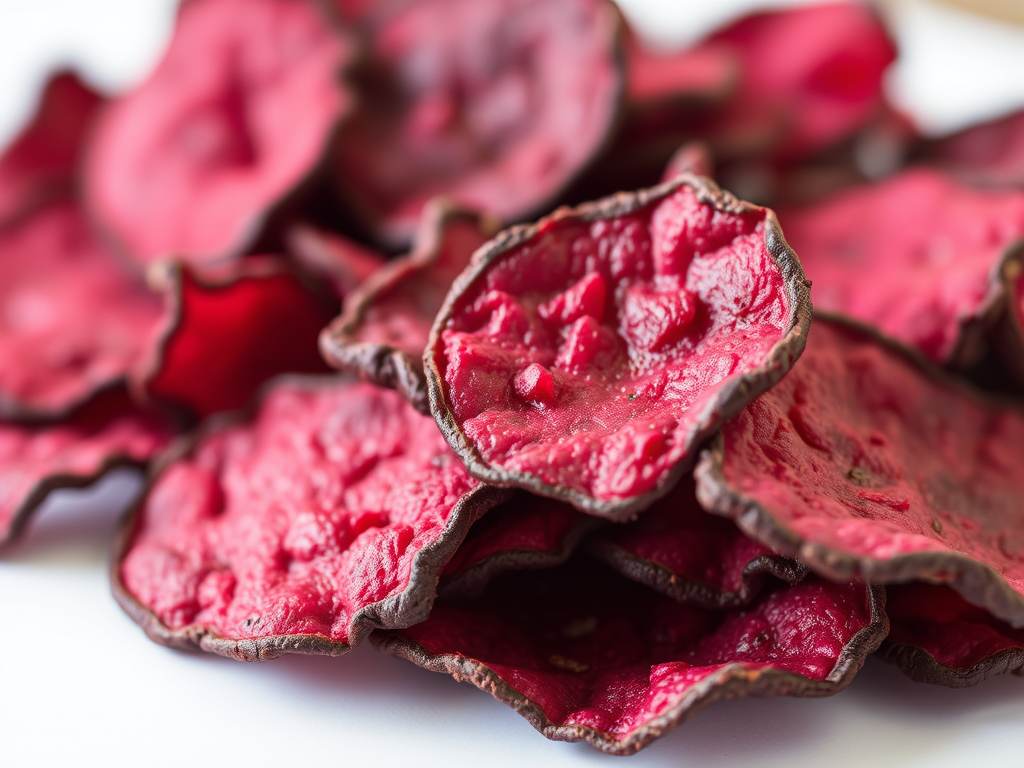
Many people struggle to consume beetroot regularly because of taste or preparation time. Beetroot chips provide a convenient, enjoyable, and consistent way to receive beetroot’s benefits.
When baked or air-fried with olive oil and mild seasoning, beetroot chips retain their polyphenols, nitrates, and antioxidant content while offering a satisfying snack alternative to processed foods.
How to make simple beetroot chips
Thinly slice fresh beetroot.
Toss lightly with olive oil and a pinch of sea salt.
Add optional flavourings such as garlic powder, rosemary, turmeric, or black pepper.
Bake at 160°C or 325°F for 25 to 35 minutes until crisp.
Allow to cool fully for maximum crunch.
Combining beetroot with other anti-inflammatory foods
Beetroot becomes even more powerful when paired with complementary nutrients.
Olive oil improves antioxidant absorption.
Leafy greens enhance detoxification and hormone balance.
Ginger and turmeric amplify anti-inflammatory signaling.
Greek yoghurt supports gut health and nutrient uptake.
Chia seeds provide omega-3 fats that further reduce inflammation.
The bigger picture
Beetroot is not a trend food. It is a foundational anti-inflammatory, circulation-supporting, hormone-protective vegetable with broad systemic benefits. Consumed consistently, beetroot supports long-term vitality, cardiovascular resilience, metabolic health, cognitive clarity, and immune balance.
For women seeking a practical, evidence-based way to lower inflammation and strengthen overall health, beetroot deserves a permanent place in the diet.
Why tracking turns confusion into clarity
When you track beetroot alongside:
- meal timing
- energy levels
- sleep
- movement
patterns emerge.
You may notice beetroot works best earlier in the day. Or only on movement days. Or not at all during high stress weeks.
Tracking removes guesswork.
How Rebalance40 Anti Inflammatory Tracker supports long-term insight
The Rebalance40 Anti-Inflammatory Tracker is not a calorie tracker or fitness app. It focuses on how food and habits influence inflammation over time.
You can review daily and weekly patterns. You can export your history if you want to see longer-term trends.
This helps you stop chasing foods and start understanding your body.Beetroot is not a rule. It is a data point.
When you track consistently, food becomes information rather than frustration.
 Rebalance40
Leave a comment