
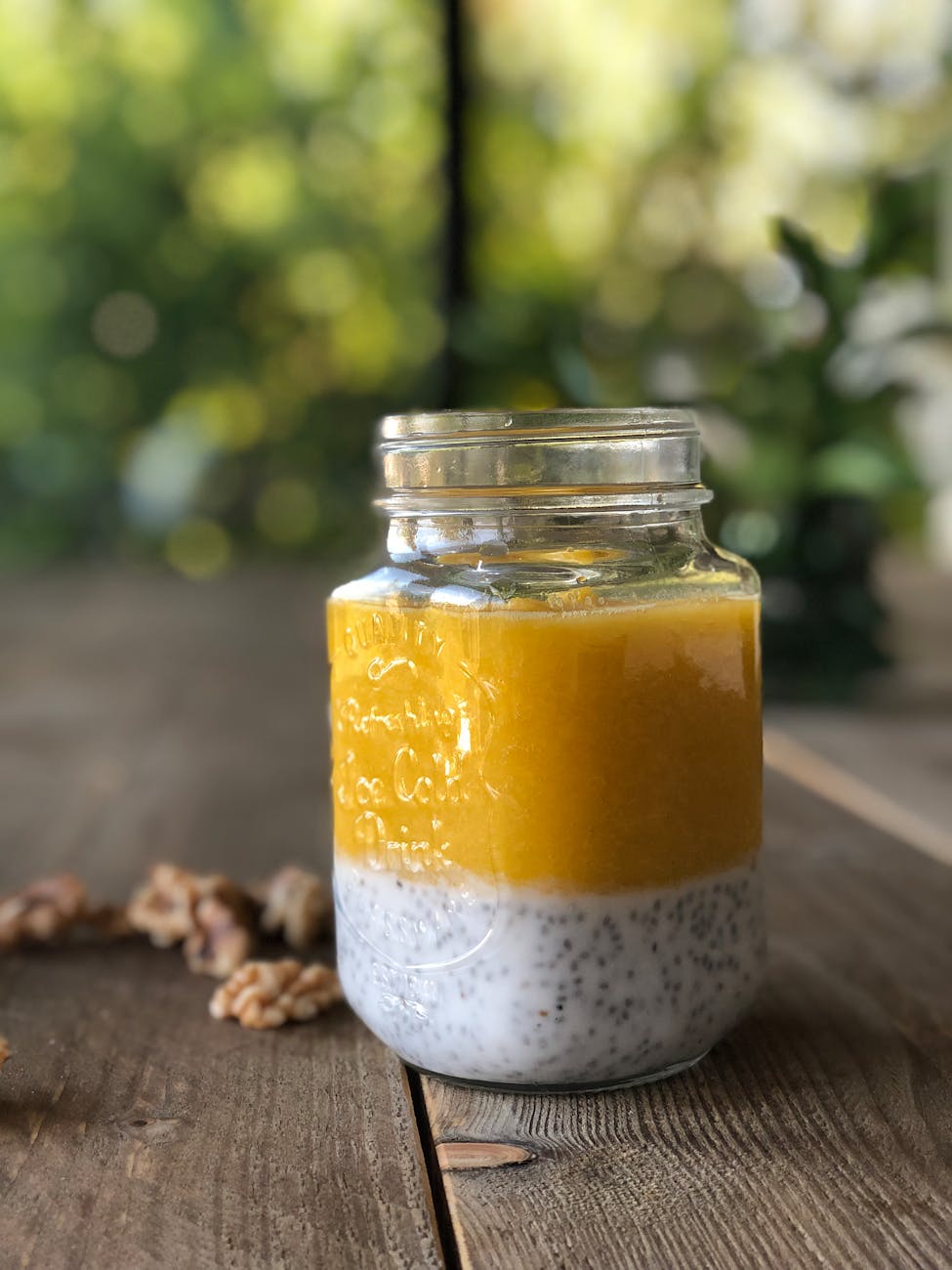
If you are dealing with bloating, stubborn weight, joint stiffness, fatigue, blood sugar swings, or hormone symptoms that feel harder to manage after 35, inflammation is often part of the story. One of the simplest and most effective foods you can add to your daily routine to calm that inflammation is chia seed.
Chia seeds are not a trend. They are one of the most nutrient-dense foods available, and their effect on inflammation, hormones, digestion, and metabolic health becomes increasingly valuable as the body changes with age.
Why inflammation increases after 35
After 35, estrogen and progesterone patterns begin shifting. Cortisol becomes easier to elevate and harder to stabilise. Insulin sensitivity declines. Gut integrity weakens. Muscle mass slowly reduces. All of these changes raise baseline inflammation inside the body.
This low-grade inflammation often shows up as joint pain, bloating, fatigue, weight gain around the middle, brain fog, skin flare-ups, headaches, and mood changes. Many women assume these are unavoidable signs of ageing. They are not. They are signals of internal imbalance.
Chia seeds help correct several of the underlying drivers of this inflammation.
What makes chia seeds powerful against inflammation
Chia seeds deliver three major anti-inflammatory tools in one food: omega-3 fatty acids, fibre, and polyphenols.
Omega-3 fats directly reduce inflammatory cytokines and support cell membrane integrity. Fibre feeds beneficial gut bacteria and stabilises blood sugar, both of which lower immune activation. Polyphenols neutralise free radicals that damage cells and amplify inflammation.
This combination makes chia seeds uniquely suited for women navigating midlife health shifts.
Chia seeds and gut health
Roughly seventy percent of the immune system resides in the gut. When gut bacteria fall out of balance or the gut lining becomes permeable, inflammation rises throughout the body.
Chia seeds absorb liquid and form a gel-like texture. This slows digestion, feeds beneficial bacteria, and supports healthy bowel movements. The soluble fibre in chia helps repair the gut barrier and reduce the immune activation that drives bloating, food sensitivity, and autoimmune flare-ups.
A healthier gut means lower systemic inflammation.
Chia seeds and hormone balance
Hormones rely on proper detoxification and recycling. After 35, estrogen clearance often slows, leading to estrogen dominance and worsening PMS, breast tenderness, headaches, fluid retention, and mood swings.
The fibre in chia seeds binds excess estrogen in the digestive tract and helps escort it out of the body. This supports more balanced hormone levels and reduces inflammatory estrogen by-products.
Omega-3 fats also improve hormone receptor sensitivity, allowing hormones to work more efficiently with less inflammatory stress.
Chia seeds and blood sugar stability
Blood sugar spikes are one of the fastest ways to increase inflammation. They trigger oxidative stress, cortisol release, and inflammatory signalling throughout the body.
Chia seeds slow the absorption of carbohydrates and improve insulin sensitivity. Studies show regular chia consumption reduces post-meal glucose spikes and improves long-term blood sugar control.
This matters for energy, weight management, mood stability, and protection against metabolic conditions that accelerate inflammation.
Why tracking matters when you add foods like chia seeds
Adding chia seeds is helpful, but the real progress comes from noticing how your body responds over time. Many women eat anti inflammatory foods without tracking changes in bloating, energy, digestion, sleep, or joint comfort. Without tracking, it is easy to miss what is helping and what is not.
When you track food alongside body signals, patterns become clear. You might notice less bloating after three days. More stable energy by the end of the week. Better digestion when chia replaces a refined snack. These shifts often happen gradually, not overnight.
The Rebalance40 tracker is designed for this kind of awareness. It lets you log what you eat, how your body feels, your sleep, hydration, and stress, then review those patterns over time. Nothing you log disappears. You can edit entries at any point and look back weeks or months later.
If you want to see how foods like chia seeds are influencing inflammation in your own body, you can explore the Rebalance40 tracker here.
Chia seeds, weight regulation, and metabolic health
Inflammation disrupts hunger hormones, lowers metabolic efficiency, and encourages fat storage, particularly around the abdomen.
Chia seeds provide protein, fibre, and healthy fats in a combination that increases satiety, reduces cravings, and supports lean muscle maintenance. This improves metabolic flexibility and lowers inflammatory fat accumulation.
Women who stabilise blood sugar and improve gut health through foods like chia often notice weight becomes easier to manage without extreme restriction.
Chia seeds and joint health
Chronic inflammation damages connective tissue and accelerates joint degeneration. Omega-3 fats and antioxidants in chia seeds protect cartilage and reduce inflammatory pain signalling.
Many women experience reduced stiffness and improved mobility when chia becomes part of a consistent anti-inflammatory routine.
How to use chia seeds effectively
Consistency matters more than quantity.
One to two tablespoons daily provides meaningful benefits.
Simple ways to use chia:
- Add to Greek yoghurt with berries
- Stir into smoothies
- Make chia pudding with almond milk and cinnamon
- Sprinkle over salads or oatmeal
- Mix into soups or stews
Always hydrate chia seeds before eating to improve digestion and nutrient absorption.
Why chia seeds fit a sustainable health strategy
After 35, the body thrives on steady, supportive nutrition rather than extremes. Chia seeds quietly reinforce gut health, hormone balance, blood sugar stability, and immune regulation.
Reducing inflammation is not about removing everything from your diet. It is about adding the right tools.
Chia seeds are one of those tools.
If your goal is long-term vitality, steady energy, and a body that feels resilient rather than reactive, this small daily habit creates a powerful ripple effect across your health.
Using simple swaps instead of restriction
Reducing inflammation does not require removing everything you enjoy. It often starts with simple swaps. Chia seeds are a supportive swap for refined breakfast cereals, sugary snacks, or fibre poor meals that spike blood sugar and drive inflammation.
Tracking these swaps matters. When you replace one food with another, your body gives feedback. Appetite changes. Energy shifts. Digestion improves or worsens. These signals guide better choices over time.
The Rebalance40 system combines simple swap thinking with tracking. You can pair a short meal plan with the tracker or use the tracker on its own to build awareness around food, habits, and recovery signals.
You can view the Rebalance40 tracker and meal plan options here.
 Rebalance40
Leave a comment