
Best Exercise for Inflammation After 40
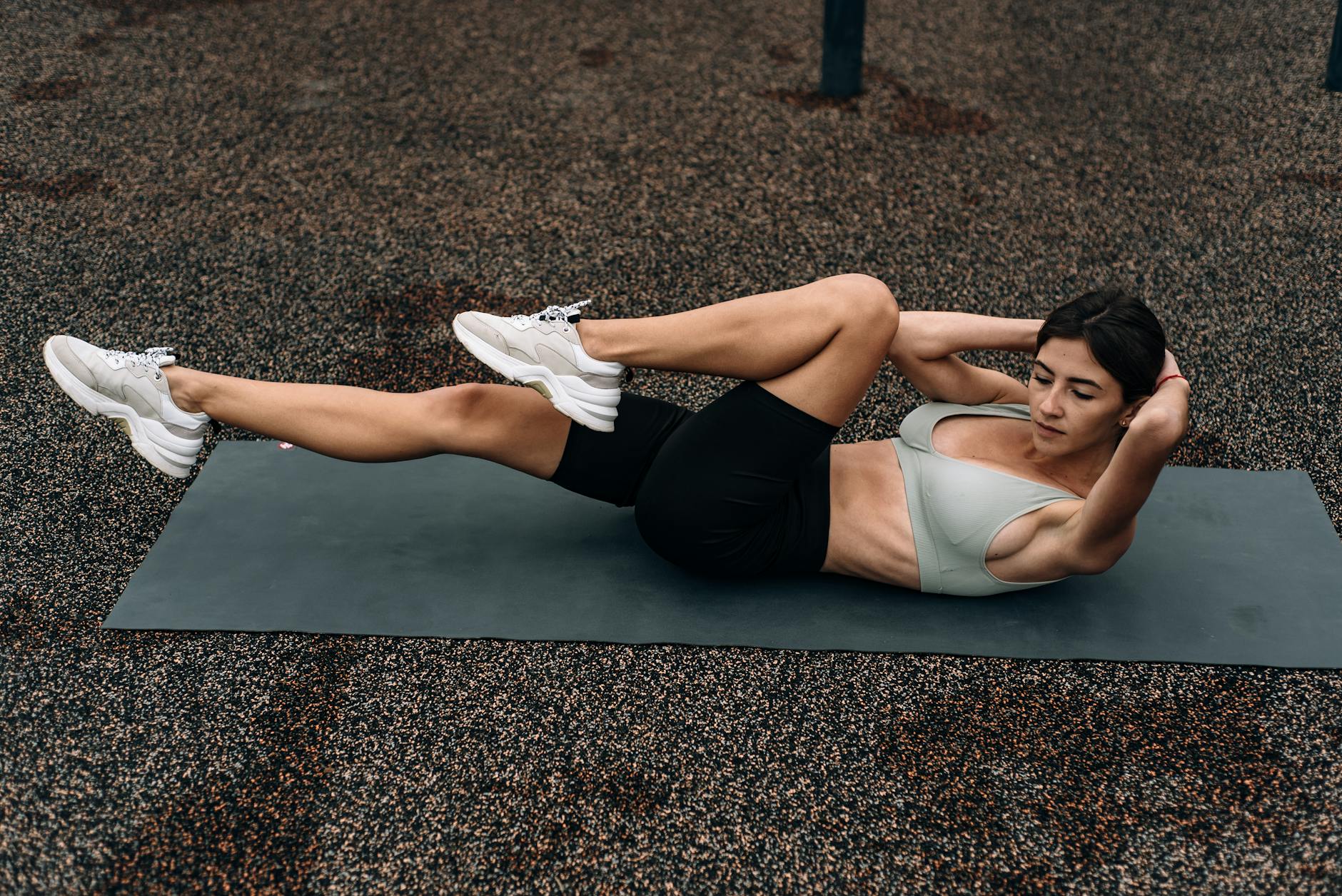
After 40, many women notice a shift. Exercise routines that once worked now leave you exhausted, sore, inflamed, or struggling to recover. Weight loss slows. Joints feel stiff. Energy dips instead of rising.
This is not a lack of effort or discipline. Your body is responding to hormonal and metabolic change.
Inflammation rises more easily after 40 due to changes in estrogen, insulin sensitivity, and stress hormones. The right type of movement helps lower inflammation. The wrong type keeps it switched on.
Why Exercise Feels Different After 40
Estrogen supports muscle repair, joint comfort, and inflammation control. As levels change, recovery slows and tissues become more reactive. Cortisol rises faster in response to physical stress, especially when sleep or nutrition is off.
Frequent high intensity workouts raise cortisol further. Elevated cortisol increases inflammation, disrupts sleep, and slows healing.
This explains why pushing harder often produces worse results.
After 40, exercise works best when it supports recovery instead of competing with it.
What Exercise Should Do for Your Body Now
The goal is not exhaustion. The goal is support.
Movement should improve circulation so inflammatory byproducts clear more efficiently.
It should build muscle to support blood sugar balance and joint stability.
It should encourage lymph flow to reduce swelling and stiffness.
It should leave you feeling steadier rather than depleted.
When movement does this consistently, inflammation lowers over time.
The Best Types of Exercise for Inflammation After 40
Strength Training With Recovery
Resistance training improves muscle mass, bone strength, and insulin response. It also lowers inflammation when recovery is respected.
Two to three full body sessions per week suit most women. Focus on controlled movement and rest days rather than daily intensity.
Walking and Gentle Cardio
Walking supports circulation, blood sugar balance, and joint comfort without spiking stress hormones. Outdoor walking adds nervous system benefits through rhythm and light exposure.
Consistency matters more than speed or distance.
Mobility and Joint Focused Movement
Mobility work supports range of motion and reduces stiffness linked to inflammation. Pilates, yoga, and gentle flows also calm the nervous system, which lowers cortisol.
These forms of movement become more important, not less, after 40.
Short Effort With Full Recovery
Brief bursts of effort followed by full recovery support heart health without prolonged stress. Long high intensity sessions done often tend to raise inflammation during midlife.
Less volume with better recovery leads to better results.
Signs Your Exercise Is Reducing Inflammation
- You wake with steadier energy.
- Joint stiffness eases rather than worsens.
- Sleep improves on movement days.
- Cravings reduce instead of rising.
- Recovery feels quicker and more complete.
These signs matter more than calorie counts or step totals.
When Exercise Increases Inflammation
- Persistent soreness lasting several days.
- Poor sleep after workouts.
- Bloating or fluid retention.
- Rising fatigue or irritability.
- Strong cravings after training.
These signals suggest your body feels stressed rather than supported.
Why Tracking Your Response Matters After 40
No single exercise plan works for every woman after 40. Hormones, sleep quality, food timing, and stress load all shape how your body responds.
Two women can follow the same routine and see opposite outcomes.
This is where awareness becomes powerful.
The Rebalance40 Anti-Inflammatory Tracker helps you notice patterns between movement, energy, sleep, joint comfort, and inflammation signals. Instead of guessing whether a workout helps or hurts, you begin to see what your body responds to in real life.
Small adjustments in intensity, timing, or recovery often create big changes once patterns are visible.
A Smarter Way to Move Forward
Exercise remains one of the strongest tools for reducing inflammation after 40 when used with respect for recovery and hormonal balance.
- Move to support strength, circulation, and calm.
- Pay attention to how your body responds.
- Let patterns guide decisions rather than rules.
When movement works with your body, inflammation lowers and energy returns.
 Rebalance40
Leave a comment