
Healthy Fats, Hormones, and Inflammation After 35
Many women reduce fat intake without realizing the cost. After 35, this choice often leads to lower energy, stronger cravings, stubborn inflammation, and slower recovery.
Your body needs healthy fats more now, not less.
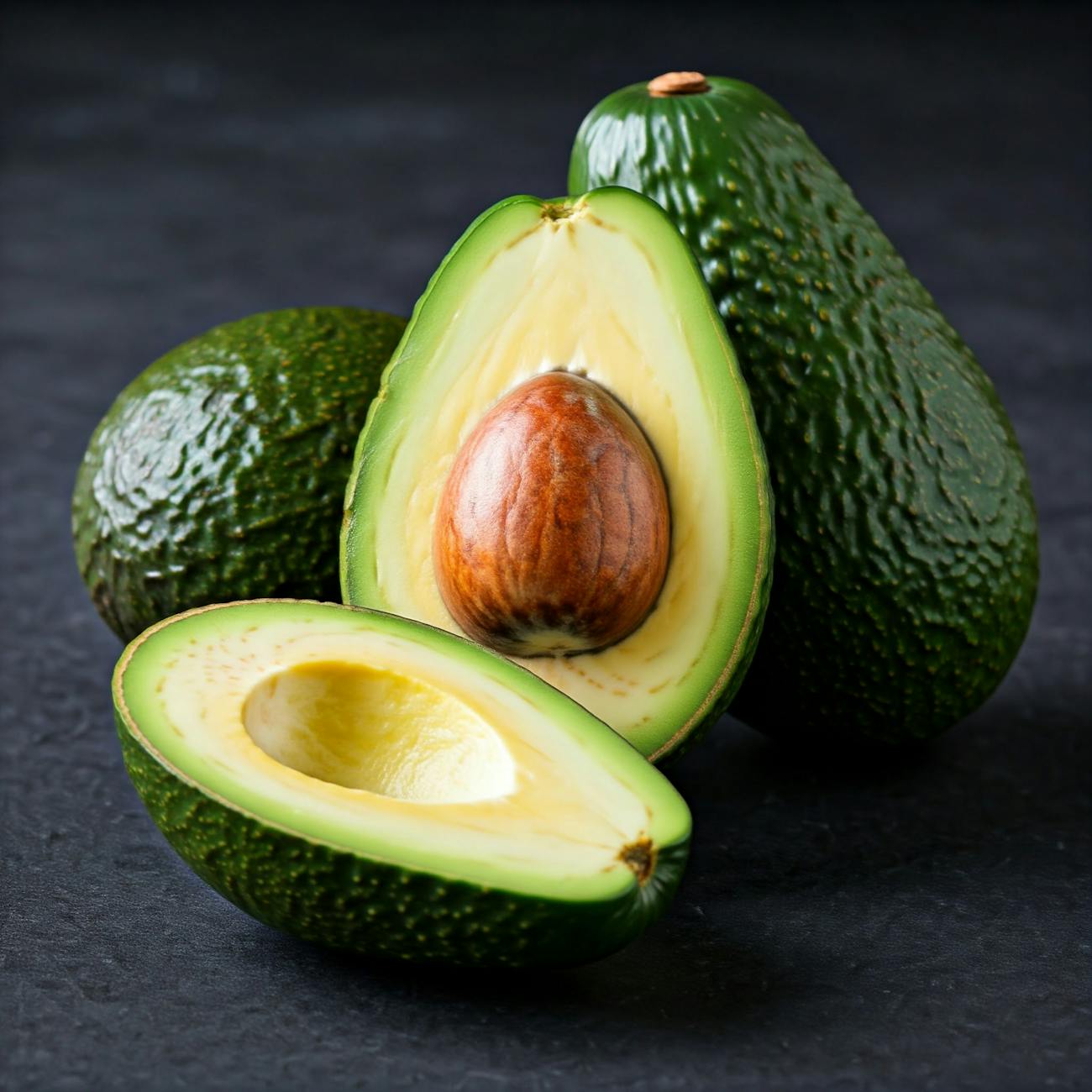
Avocado plays a key role during midlife changes because fat intake directly affects hormones, inflammation control, and blood sugar stability.
Why Fat Needs Change After 35
Hormonal shifts alter how your body uses energy. Estrogen supports insulin response, joint comfort, and inflammation balance. As levels fluctuate, the body becomes more sensitive to stress and blood sugar swings.
Low fat intake increases cortisol output. Cortisol raises inflammation and disrupts appetite signals. This combination drives fatigue, cravings, and bloating.
Healthy fats help stabilize this system.
Avocado offers a simple way to meet this need without adding inflammatory stress.
How Avocado Supports Inflammation Reduction
Avocado contains monounsaturated fats, fiber, and antioxidants. This combination supports anti inflammatory signaling in the body.
Healthy fats reduce inflammatory responses triggered by blood sugar spikes. Fiber feeds gut bacteria, which help regulate immune balance. Antioxidants reduce oxidative stress linked to joint discomfort and fatigue.
Together, these effects help calm inflammation over time.
Why Satiety Matters More Now
After 35, appetite signals change. Low fat meals digest quickly and leave you hungry soon after eating. This pattern raises cortisol and drives overeating later in the day.
Avocado increases satiety. Meals feel complete. Blood sugar stays steadier. Cravings reduce.
This steadiness supports energy and inflammation control across the day.
Why Avocado Supports Hormone Balance
Hormones rely on fat for production and signaling. Diets too low in fat strain this system.
Avocado supports hormone balance by:
– Providing building blocks for hormone production
– Reducing cortisol output
– Supporting insulin sensitivity
– Stabilizing appetite signals
These effects matter during perimenopause and midlife transitions.
Why Some Women Avoid Avocado
Some women fear fat intake. Others worry about calories. Some notice bloating when digestion feels off.
Tolerance varies. Portion size matters. Timing matters.
Avocado works best when paired with protein and eaten earlier in the day for many women. Large portions late at night feel heavier.
This is not about rules. It is about response.
Signs Avocado Supports Your Body
- Steadier energy after meals
- Reduced cravings
- Less bloating across the day
- Improved digestion
- Better recovery from exercise
These signals show your body uses fat well.
Signs Adjustment Helps
- Digestive discomfort
- Heaviness after meals
- Reduced appetite later
- Fatigue after eating
These signs suggest portion or timing changes help.
Why Awareness Beats Elimination
Many women remove foods without understanding why symptoms appear. This leads to unnecessary restriction.
Avocado may support one woman and feel heavy for another depending on stress, sleep, and gut health.
The Rebalance40 Anti-Inflammatory Tracker helps you notice how fats like avocado affect energy, digestion, cravings, and inflammation signals. Tracking builds clarity without restriction.
Small adjustments often unlock better results.
A Better Way Forward
Avocado matters more now because your body needs stable energy, hormone support, and inflammation control during midlife changes.
- Eat enough healthy fat.
- Notice how your body responds.
- Adjust gently instead of removing foods.
When fat intake supports your system, inflammation reduces and energy steadies.
 Rebalance40
Leave a comment