
A simple habit with real impact
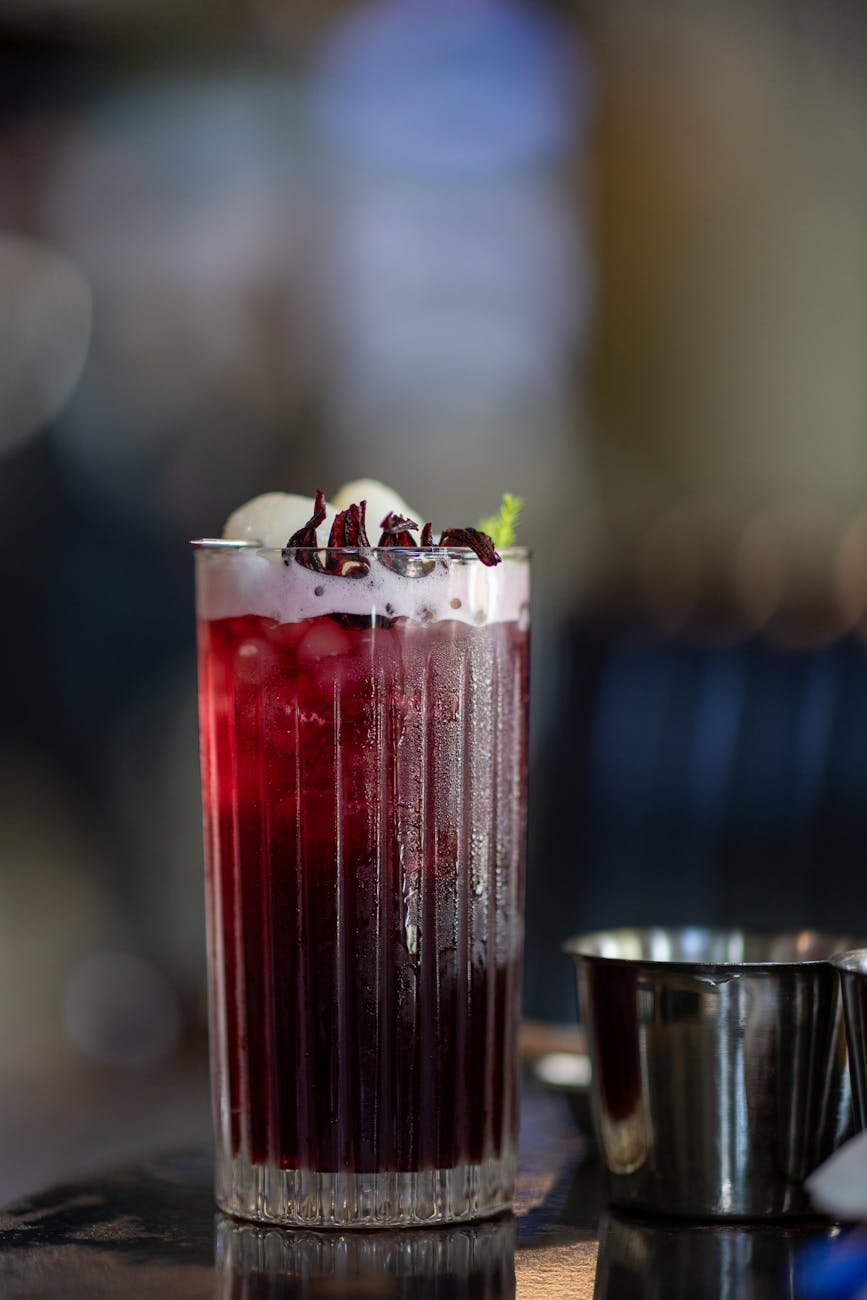
If you are approaching 40 and noticing puffiness, joint stiffness, rising blood pressure, or fatigue that feels harder to shake, low grade inflammation is often part of the picture.
Midlife shifts in estrogen, sleep, and stress can make your inflammatory response more reactive. You may not see obvious signs like swelling, but you may feel it through:
• Brain fog
• Heavier limbs
• Fluid retention
• Slower recovery
• Belly weight gain
Hibiscus is one of the simplest additions you can make to support your body during this phase.
Why hibiscus matters in midlife
Hibiscus sabdariffa is rich in polyphenols and anthocyanins. These plant compounds act as antioxidants and help regulate inflammatory pathways.
Research has shown hibiscus may:
• Lower certain inflammatory markers
• Support healthy blood pressure
• Reduce oxidative stress
• Improve lipid profiles
• Support metabolic function
Blood pressure often rises during perimenopause and menopause. Chronic stress also increases vascular tension. Hibiscus has been studied for its ability to support systolic and diastolic blood pressure in adults, which is relevant for women navigating midlife stress and hormonal shifts.
Inflammation and oxidative stress are closely linked. When oxidative stress rises, inflammation follows. Hibiscus helps buffer this process.
How hibiscus supports hormone balance
Estrogen has protective effects on blood vessels and immune balance. As estrogen fluctuates, inflammatory signalling can increase.
Hibiscus does not replace hormones. But by supporting vascular health and reducing oxidative load, it creates a more stable internal environment.
That stability helps reduce the background inflammatory noise that many women feel but cannot explain.
Hibiscus and metabolic health
Midlife often brings changes in insulin sensitivity. Blood sugar swings drive inflammation and energy crashes.
Hibiscus has been studied for its potential role in improving metabolic markers, including glucose regulation and cholesterol balance.
When metabolic health improves, inflammatory load often decreases.
This is not about one magic ingredient. It is about consistent daily signals.
How to use hibiscus
The simplest way is as tea.
Steep dried hibiscus petals in hot water for 5 to 10 minutes. Drink warm or chill and serve over ice. You can add lemon or a small amount of raw honey if needed.
Aim for consistency rather than large amounts.
One to two cups daily is a common range used in studies.
Always check with your health professional if you are on blood pressure medication, as hibiscus can enhance blood pressure lowering effects.
Why tracking matters
Adding hibiscus is helpful. But how do you know if it is helping you?
This is where most people guess.
You might feel slightly less puffy. Maybe your afternoon energy improves. Maybe headaches reduce. But without tracking, you cannot see patterns clearly.
The Rebalance40 Anti-Inflammatory Tracker allows you to log:
• What you ate and drank
• Energy levels
• Sleep quality
• Stress
• Digestive symptoms
• Hormonal phase
Over days and weeks, you can see whether consistent hibiscus intake correlates with:
• Lower blood pressure readings
• Reduced headaches
• Less bloating
• More stable energy
Inflammation builds through repetition. So does healing.
Small daily habits compound.
Hibiscus is not a cure. It is one supportive tool within a broader anti inflammatory lifestyle that includes:
• Adequate protein
• Fibre rich vegetables
• Healthy fats such as olive oil
• Sleep protection
• Stress reduction
• Gentle movement
If you are looking for simple, sustainable ways to calm inflammation after 40, hibiscus is an easy place to start.
And when you combine daily habits with structured tracking, you move from guessing to understanding.
That shift is where real progress begins.
 Rebalance40
Leave a comment