
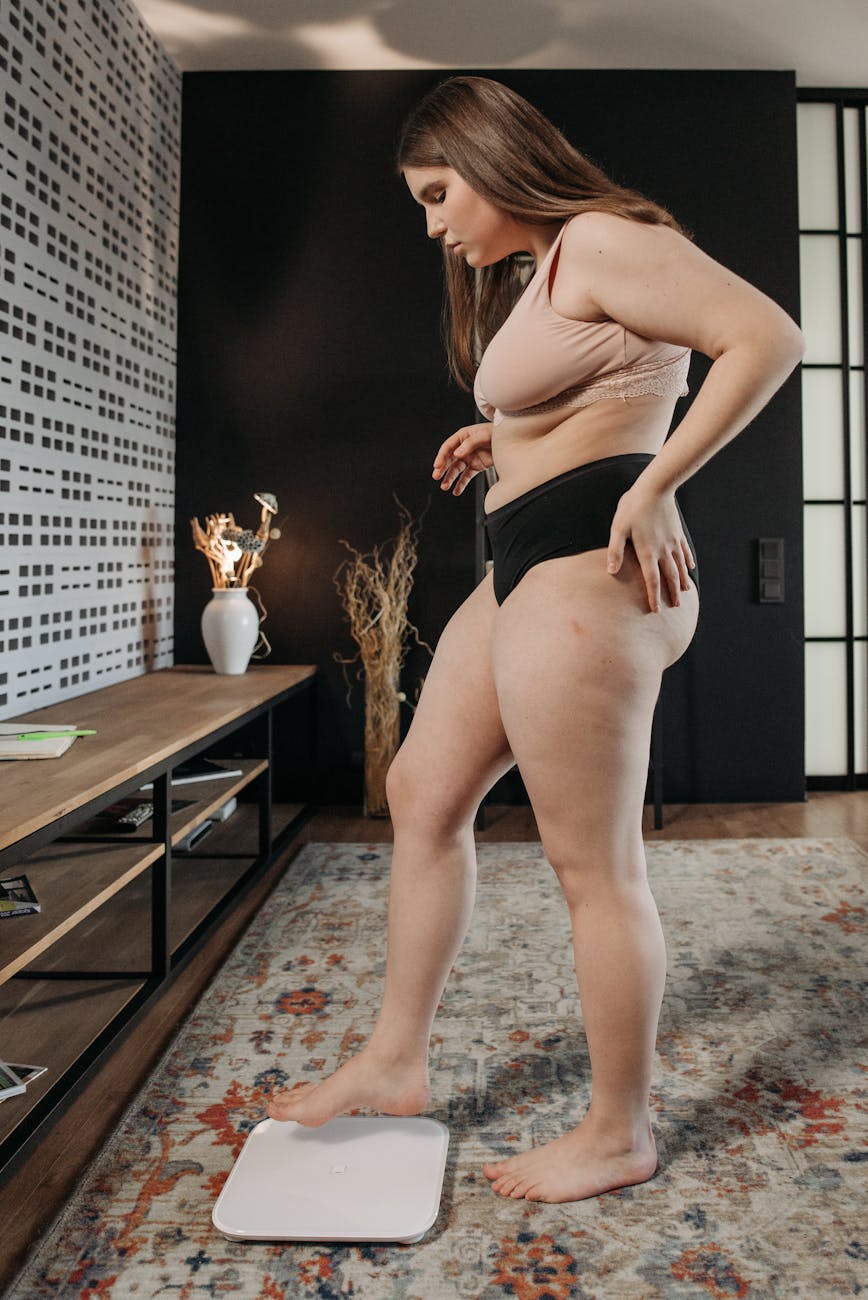
If you are eating less, moving more, and still not losing weight, you are not failing. Your body has changed. After 40, hormones, stress, sleep, and inflammation all affect how you store and burn fat.
For many women, stubborn weight gain is not only about calories. It is about chronic low grade inflammation.
What Inflammation Has To Do With Weight Gain
Inflammation is part of your immune response. In small doses, it protects you. When it becomes chronic, it disrupts metabolism.
Research shows chronic inflammation links to insulin resistance, increased cortisol, and altered fat storage. Elevated inflammatory markers such as CRP often appear alongside central weight gain and metabolic dysfunction.
This matters because inflammation can:
• Increase insulin resistance, which promotes fat storage
• Raise cortisol, which drives abdominal weight gain
• Disrupt leptin and ghrelin, your hunger hormones
• Reduce recovery, which affects exercise results
If your body feels puffy, inflamed, tired, and stuck, your system may be under stress.
Why This Becomes More Common After 40
Hormones shift in perimenopause and midlife. Estrogen begins to fluctuate and decline. Estrogen has anti inflammatory effects, so when it drops, inflammation often rises.
At the same time:
• Sleep quality often declines
• Stress increases due to work, family, and life pressure
• Muscle mass gradually decreases
• Blood sugar regulation becomes less stable
All of these increase inflammatory load and make weight loss harder even if your diet has not changed much.
Common Signs Inflammation May Be Affecting Your Weight
You may notice:
• Stubborn belly fat
• Bloating after meals
• Joint pain or stiffness
• Brain fog
• Low morning energy
• Strong sugar cravings
• Poor sleep
These are signals. If you ignore them and only cut calories, you often increase stress and make the problem worse.
What To Focus On Instead
- Stabilise Blood Sugar
Build meals around protein, fibre, and healthy fats. For example:
• Eggs, spinach, and avocado
• Greek yogurt, berries, chia seeds
• Salmon, lentils, roasted vegetables
Avoid skipping meals and then overeating late at night. Large blood sugar swings increase inflammation.
- Improve Sleep
Less than six hours of sleep increases inflammatory markers and cortisol. Aim for consistent bedtimes, a cool dark room, and reduced evening screen time.
- Reduce Hidden Stress
Chronic stress raises cortisol, which promotes fat storage around the abdomen. Walking, strength training, prayer or reflection, breathing exercises, and time outdoors lower stress load.
- Support Gut Health
Your gut microbiome influences inflammation and metabolism. Add:
• Fermented foods such as kefir or sauerkraut
• Fibre from beans, oats, vegetables
• Omega 3 fats from salmon, sardines, walnuts
- Strength Train
Muscle improves insulin sensitivity and lowers inflammation. Two to three sessions per week can improve body composition even if the scale moves slowly.
Why Tracking Changes Everything
Many women guess. They assume food is the issue, or hormones are the issue, or stress is the issue.
Without tracking what you eat, how much rest you have had, how much movement you are doing and how your body feels you do not know.
When you log:
• Anti inflammatory foods
• Inflammatory foods
• Eating windows
• Sleep quality
• Hydration
• Movement
• Energy and pain
You begin to see patterns.
You may notice poor sleep links to sugar cravings the next day. Or late eating links to bloating and higher weekly inflammation scores. Or certain foods trigger joint pain.
That insight gives you control.
Instead of reacting emotionally to the scale, you respond strategically to your data.
A Smarter Approach To Midlife Weight Loss
If you are over 35 and struggling with stubborn weight, shift your focus from restriction to regulation.
– Regulate inflammation.
– Regulate blood sugar.
– Regulate sleep.
– Regulate stress.
Weight loss often follows.
Your body is not broken. It is responding to signals. When you lower inflammation, improve recovery, and support hormone balance, you create the conditions for fat loss.
The goal is not perfection. The goal is awareness and steady improvement.
Start by tracking what your body is telling you. The Rebalance40 Anti -Inflammatory Tracker helps you track all of these important aspects. When you connect daily habits to symptoms and weight patterns, you stop guessing and start making informed changes.
What Makes The Rebalance40 Anti Inflammatory Tracker Different
Tracking only works if it is structured and meaningful. Rebalance40 is not a calorie counter and not a rigid diet plan. It is built to help you see patterns between food, lifestyle, hormones, and inflammation.
Each day you log three core areas.
What you ate
You record supportive foods and occasional inflammatory foods using simple descriptions. You do not need to weigh or measure. The food library reflects known inflammatory properties such as glycaemic impact, polyphenols, gut support, and insulin response.
How your body felt
You log energy, digestion, joint pain, sleep quality, hydration, movement, stress, and other body signals. These signals explain why the same meal can affect you differently on different days.
Your context
You record sleep duration, stress level, eating window, and hormonal phase. These factors strongly influence inflammation, fat storage, and cravings.
Your score updates automatically based on balance across these areas. The score is not judgement. A lower score is information. It shows you what may have shifted your inflammatory load.
Nothing disappears. Your entries remain visible so you can see repetition over time. You can edit past days and export your data as a spreadsheet or PDF to review patterns or share with a health professional.
Progress in Rebalance40 is not about streaks. It is about awareness. Within one to two weeks of consistent logging, most women begin to see clear links between sleep, stress, food choices, bloating, joint pain, and stubborn weight gain.
If you feel like you are doing everything right but still feel inflamed, this tracker helps you understand why.
That is how you solve stubborn weight gain after 40.
 Rebalance40
Leave a comment