• Photo by Keira Burton on Pexels.com

    If you wake up tired.
    If you crash at 3pm.
    If weekends no longer restore you.

    This is not laziness. And it is not weakness.

    For many women in midlife, persistent fatigue is closely linked to inflammation.

    The missing link between fatigue and inflammation

    Inflammation is part of your immune system. In short bursts, it protects you. But when it becomes chronic, even at low levels, it changes how your body produces and uses energy.

    Chronic inflammation can:

    • Disrupt mitochondrial function, which affects how your cells create energy
    • Interfere with thyroid hormone conversion
    • Increase cortisol output, leading to wired but tired patterns
    • Disturb blood sugar stability
    • Impact sleep quality and recovery

    You may not notice swelling or redness. But you may feel:

    • Heavy limbs
    • Brain fog
    • Low motivation
    • Afternoon crashes
    • Unrefreshing sleep

    Fatigue after 40 is rarely random. It is often systemic.

    Why midlife makes it worse

    Hormonal shifts amplify inflammatory patterns.

    As estrogen fluctuates, your inflammatory response can become more reactive. Estrogen normally has protective effects on blood vessels, metabolism, and immune balance. When levels shift, inflammation can rise more easily.

    Add in:

    • Chronic stress
    • Poor sleep
    • Blood sugar swings
    • Ultra processed foods
    • Sedentary habits

    And your system stays in low grade inflammatory mode.

    Your body diverts energy toward defense instead of vitality.

    That is why you feel flat.

    How food and habits influence energy

    Food is not only calories. It sends signals.

    Highly processed carbohydrates, excess sugar, alcohol, and refined seed oils increase inflammatory markers. They also destabilise blood glucose, which creates energy crashes.

    In contrast, anti inflammatory foods support stable energy production. These include:

    • Oily fish such as salmon and sardines
    • Extra virgin olive oil
    • Leafy greens
    • Berries
    • Legumes
    • Nuts and seeds
    • Turmeric and ginger

    Balanced protein intake also matters. Women over 40 often under eat protein, which affects muscle repair and blood sugar stability.

    But food is only one part of the picture.

    Sleep quality, movement, stress exposure, and nervous system regulation all influence inflammatory load.

    Why guessing does not work

    Most women try to fix fatigue by:

    • Drinking more coffee
    • Cutting calories
    • Trying a new supplement
    • Starting intense workouts

    But without understanding what is driving your inflammation, you are guessing.

    Some days your energy dips because of blood sugar swings. Other days it relates to poor sleep. Sometimes it is cumulative stress. Sometimes it is food patterns over time.

    You need data, not assumptions.

    How tracking changes everything

    When you track:

    • What you eat
    • How you sleep
    • How you move
    • Stress levels
    • Body symptoms
    • Energy patterns

    You begin to see connections.

    You see that high sugar days lead to joint stiffness.
    You see that poor sleep predicts next day fatigue.
    You see that balanced meals support stable energy.

    This is where the Rebalance40 Anti-Inflammatory Tracker becomes powerful.

    It is not a calorie counter. It is a pattern recognition system.

    The 7 and 30 day meal plans support you with structured anti inflammatory meals, but the tracker is the hero. It helps you see what reduces fatigue and what keeps inflammation elevated.

    When you understand your patterns, you stop chasing quick fixes.

    You build consistency.

    And energy returns gradually because the root cause is being addressed.

    Practical steps to reduce inflammation driven fatigue

    Start here:

    1. Build each meal around protein and fibre
    2. Replace refined oils with extra virgin olive oil
    3. Add at least one leafy green daily
    4. Stabilise eating windows
    5. Protect sleep before adding more exercise
    6. Track symptoms for at least two weeks

    Small consistent changes reduce inflammatory load.

    Energy improves when inflammation lowers.

    Final thought

    If you feel exhausted and your blood work looks “normal,” do not dismiss your experience.

    Chronic low grade inflammation does not always show dramatically in standard tests. But you feel it.

    – Your fatigue has a pattern.
    – Your body is communicating.

    When you learn to read the signals, energy becomes predictable again.

    If you would like to begin understanding your own inflammation patterns, explore the Rebalance40 Anti-Inflammatory Tracker and meal plan system. It gives you structure, clarity, and a practical way forward.

    You do not need more willpower.
    You need insight.

  • Photo by SHVETS production on Pexels.com

    If you feel wired, tired, swollen, or reactive in your mid thirties and beyond, your nervous system may be playing a bigger role than you think.

    Inflammation is not only about food. It is also about stress signals. Your body does not separate emotional stress from physical stress. A difficult conversation, poor sleep, blood sugar swings, and gut irritation all activate the same system.

    That system is your nervous system.

    When your nervous system stays in a heightened state, inflammation rises. When it feels safe and regulated, inflammation settles.

    Why the nervous system matters more in midlife

    Hormone shifts change how your body responds to stress. Estrogen supports nervous system balance and helps regulate inflammation. As estrogen fluctuates, your stress response can become more sensitive.

    You may notice:

    • You react faster
    • You recover slower
    • You feel symptoms more intensely

    The same routine that once felt manageable can suddenly feel overwhelming. This is physiology, not failure.

    When stress hormones remain elevated, they:

    • Increase gut permeability
    • Disrupt sleep quality
    • Raise blood sugar
    • Amplify inflammatory signals

    Over time, this can show up as bloating, puffiness, joint discomfort, headaches, fatigue, or brain fog.

    The inflammation loop

    • Stress increases inflammation.
    • Inflammation makes you feel worse.
    • Feeling worse increases stress.

    This creates a feedback loop.

    Many women respond by tightening control over food or increasing exercise. If your nervous system is already overwhelmed, more intensity can worsen inflammation rather than reduce it.

    The body lowers inflammation when it senses safety, stability, and rhythm.

    Signs your nervous system is driving symptoms

    You may notice:

    • Symptoms flare after poor sleep
    • Digestion worsens during busy weeks
    • Sugar cravings increase under pressure
    • You feel wired at night but exhausted in the morning
    • Inflammation spikes during emotional stress

    These are pattern-based responses. They are not random.

    Why tracking changes everything

    Most women try to manage inflammation by focusing on one variable at a time. One food. One supplement. One habit.

    The nervous system does not work that way. It responds to patterns.

    When you track sleep, stress, meals, digestion, energy, and symptoms together, you begin to see cause and effect. You may realise that your worst inflammation days follow high stress and short sleep, not a single ingredient.

    This is exactly why the Rebalance40 Anti-Inflammatory Tracker was created.

    It helps you see what is working and what is not across food, hormones, stress, sleep, hydration, and movement. Instead of guessing, you identify your personal patterns.

    The tracker is the core system. The optional 7 or 30 day meal plans are there to support what you uncover, not replace insight with restriction.

    When you can see patterns clearly, anxiety reduces. When anxiety reduces, nervous system load decreases. When nervous system load decreases, inflammation begins to settle.

    How to calm inflammation through nervous system regulation

    – Start with stability before intensity.

    – Stabilise blood sugar
    Eat consistent meals with protein and fibre. Skipping meals increases stress hormones and inflammatory signals.

    – Protect sleep
    Even modest sleep loss increases inflammatory markers. Prioritise a regular wind-down routine.

    – Choose supportive movement
    Walking, strength training, and gentle mobility often regulate the nervous system more effectively than constant high intensity sessions.

    – Use slow breathing
    Five minutes of slow nasal breathing can reduce cortisol and support vagal tone, which helps calm inflammatory pathways.

    – Notice patterns
    Tracking daily inputs and symptoms reveals triggers and supportive behaviours more clearly than memory alone.

    Your body is not failing you

    Midlife inflammation often reflects a nervous system under sustained pressure, not a lack of discipline.

    • When you support your nervous system, digestion improves.
    • When digestion improves, inflammation settles.
    • When inflammation settles, energy stabilises.

    This is a systems approach. Not a quick fix. Not a strict plan.

    If you want to understand how your stress, sleep, food, and hormones interact in your own life, the Rebalance40 Anti-Inflammatory Tracker gives you the structure to see those patterns clearly and act with confidence.

    You are not broken. Your body is communicating. Tracking helps you listen.

  • Photo by Oksana D on Pexels.com

    After 35, many women notice more joint stiffness, slower recovery, brain fog, and subtle inflammation that builds quietly over time. Food choices begin to matter in a different way, not because your body is failing, but because hormonal and metabolic needs shift.

    Walnuts play a useful role during this stage because they support inflammation control, brain function, and heart health through a combination of fats and plant compounds.

    Why Inflammation Rises After 35

    As estrogen fluctuates, the body becomes more sensitive to stress, blood sugar swings, and poor recovery. Inflammation increases more easily and takes longer to settle.

    Low grade inflammation often shows up as
    – Joint discomfort or stiffness
    – Slower exercise recovery
    – Fatigue or mental fog
    – Digestive sensitivity
    – Poor sleep quality

    Food can either calm these signals or keep them active.

    Why Walnuts Help Reduce Inflammation

    Walnuts contain omega fats and polyphenols. Omega fats help regulate inflammatory signaling. Polyphenols act as antioxidants, reducing oxidative stress linked to joint pain and fatigue.

    This combination helps calm inflammation rather than stimulate it.

    Unlike many snack foods, walnuts support steady blood sugar when eaten in moderate portions. Stable blood sugar reduces cortisol output, which further lowers inflammation.

    How Walnuts Support Joint Comfort

    Joint tissues respond poorly to chronic inflammation. Omega fats help lubricate joints and support tissue repair.

    Women who include omega rich foods regularly often notice less stiffness, especially in the morning or after movement.

    Walnuts work best as part of a consistent pattern rather than an occasional addition.

    Why Walnuts Support Brain Health After 35

    Brain fog becomes more common during midlife due to inflammation, stress hormones, and blood sugar instability.

    • Walnuts support brain health by
    • Providing fats needed for nerve signaling
    • Reducing inflammatory stress in brain tissue
    • Supporting steadier energy through blood sugar balance

    Many women notice clearer focus and steadier mood when healthy fats appear regularly in meals.

    Heart Health and Inflammation

    Inflammation and heart health are closely linked. Chronic inflammation affects blood vessels and cholesterol balance.

    Walnuts support heart health by improving lipid balance and reducing inflammatory markers. This matters more after 35 as cardiovascular risk slowly increases even in healthy women.

    How to Use Walnuts Without Digestive Discomfort

    Walnuts are nutrient dense. Portion size matters.

    A small handful added to meals works better than large servings eaten alone. Pairing walnuts with protein or yoghurt improves digestion and blood sugar response.

    Some women do better with soaked or chopped walnuts, especially if digestion feels sensitive.

    Timing matters too. Walnuts earlier in the day often feel lighter than late evening portions.

    Signs Walnuts Are Supporting You

    • Improved joint comfort
    • Steadier energy between meals
    • Reduced cravings
    • Better focus
    • Comfortable digestion

    These signals show your body responds well.

    Signs Adjustment Helps

    • Bloating or heaviness
    • Digestive discomfort
    • Reduced appetite later
    • Fatigue after eating

    These signs suggest smaller portions or different timing work better.

    Why Tracking Matters After 35

    No single food works the same way for every woman. Stress, sleep, gut health, and hormone shifts all affect response.

    Walnuts support many women, but the dose and timing matter.

    The Rebalance40 Anti-Inflammatory Tracker helps you notice how foods like walnuts affect joints, energy, digestion, and inflammation signals across real days. Instead of guessing, patterns become clear.

    This awareness prevents unnecessary restriction and supports smarter choices.

    A Simple Way Forward

    Walnuts offer meaningful support for inflammation, joints, brain health, and heart health after 35 when used with intention.

    • Include them regularly.
    • Keep portions moderate.
    • Notice how your body responds.

    Small, consistent choices often deliver the biggest improvements during midlife.

  • Healthy Fats, Hormones, and Inflammation After 35

    Photo by Sukrit Advertising on Pexels.com

    Many women reduce fat intake without realizing the cost. After 35, this choice often leads to lower energy, stronger cravings, stubborn inflammation, and slower recovery.

    Your body needs healthy fats more now, not less.

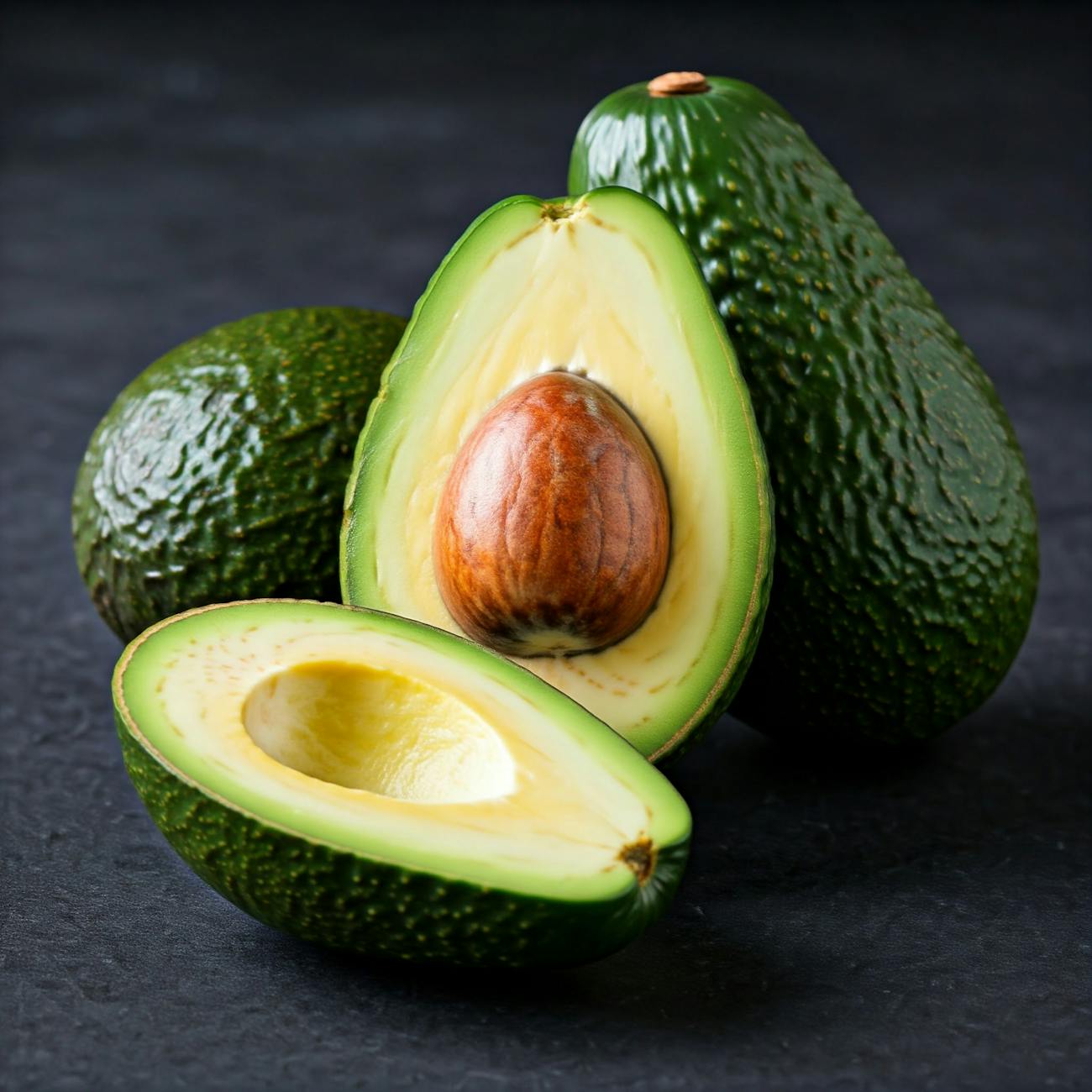
    Avocado plays a key role during midlife changes because fat intake directly affects hormones, inflammation control, and blood sugar stability.

    Why Fat Needs Change After 35

    Hormonal shifts alter how your body uses energy. Estrogen supports insulin response, joint comfort, and inflammation balance. As levels fluctuate, the body becomes more sensitive to stress and blood sugar swings.

    Low fat intake increases cortisol output. Cortisol raises inflammation and disrupts appetite signals. This combination drives fatigue, cravings, and bloating.

    Healthy fats help stabilize this system.

    Avocado offers a simple way to meet this need without adding inflammatory stress.

    How Avocado Supports Inflammation Reduction

    Avocado contains monounsaturated fats, fiber, and antioxidants. This combination supports anti inflammatory signaling in the body.

    Healthy fats reduce inflammatory responses triggered by blood sugar spikes. Fiber feeds gut bacteria, which help regulate immune balance. Antioxidants reduce oxidative stress linked to joint discomfort and fatigue.

    Together, these effects help calm inflammation over time.

    Why Satiety Matters More Now

    After 35, appetite signals change. Low fat meals digest quickly and leave you hungry soon after eating. This pattern raises cortisol and drives overeating later in the day.

    Avocado increases satiety. Meals feel complete. Blood sugar stays steadier. Cravings reduce.

    This steadiness supports energy and inflammation control across the day.

    Why Avocado Supports Hormone Balance

    Hormones rely on fat for production and signaling. Diets too low in fat strain this system.

    Avocado supports hormone balance by:
    – Providing building blocks for hormone production
    – Reducing cortisol output
    – Supporting insulin sensitivity
    – Stabilizing appetite signals

    These effects matter during perimenopause and midlife transitions.

    Why Some Women Avoid Avocado

    Some women fear fat intake. Others worry about calories. Some notice bloating when digestion feels off.

    Tolerance varies. Portion size matters. Timing matters.

    Avocado works best when paired with protein and eaten earlier in the day for many women. Large portions late at night feel heavier.

    This is not about rules. It is about response.

    Signs Avocado Supports Your Body

    • Steadier energy after meals
    • Reduced cravings
    • Less bloating across the day
    • Improved digestion
    • Better recovery from exercise

    These signals show your body uses fat well.

    Signs Adjustment Helps

    • Digestive discomfort
    • Heaviness after meals
    • Reduced appetite later
    • Fatigue after eating

    These signs suggest portion or timing changes help.

    Why Awareness Beats Elimination

    Many women remove foods without understanding why symptoms appear. This leads to unnecessary restriction.

    Avocado may support one woman and feel heavy for another depending on stress, sleep, and gut health.

    The Rebalance40 Anti-Inflammatory Tracker helps you notice how fats like avocado affect energy, digestion, cravings, and inflammation signals. Tracking builds clarity without restriction.

    Small adjustments often unlock better results.

    A Better Way Forward

    Avocado matters more now because your body needs stable energy, hormone support, and inflammation control during midlife changes.

    • Eat enough healthy fat.
    • Notice how your body responds.
    • Adjust gently instead of removing foods.

    When fat intake supports your system, inflammation reduces and energy steadies.

  • Why Slowing Down Supports Healing After 35

    Photo by Jacek Jan Skorupski on Pexels.com

    After 35, many women feel tired but restless at the same time. Sleep feels lighter. Recovery takes longer. Even on quieter days, the body feels tense, puffy, or inflamed.

    This is not a motivation problem. It is a stress hormone issue.

    Cortisol plays a central role in inflammation, digestion, blood sugar, and sleep. When cortisol stays elevated for long periods, inflammation rises and healing slows. Rest and relaxation help bring cortisol back into balance, which allows the body to repair.

    Why Cortisol Matters More After 35

    Cortisol is meant to rise and fall through the day. It supports energy in the morning and gradually lowers toward evening. After 35, hormonal shifts make cortisol more reactive and slower to settle.

    Poor sleep, emotional strain, under eating, and constant output keep cortisol high. High cortisol increases inflammation, worsens bloating, disrupts digestion, and interferes with sleep quality.

    This creates a loop. Stress raises cortisol. Cortisol raises inflammation. Inflammation disrupts sleep. Poor sleep raises cortisol again.

    Breaking this loop requires more than nutrition and exercise alone.

    What Rest Does for the Body

    Rest sends a signal of safety to the nervous system. When the body feels safe, it shifts out of constant alert mode.

    This shift supports:
    – Lower cortisol output
    – Reduced inflammatory signaling
    – Improved digestion and nutrient absorption
    – Better blood sugar regulation
    – Deeper, more restorative sleep

    Rest is not inactivity. It is regulation.

    Why Relaxation Is Not the Same as Doing Nothing

    Many women believe rest means stopping completely. In reality, relaxation means lowering nervous system load.

    Gentle activities such as slow walking, reading, stretching, breathing practices, and quiet time without stimulation help calm stress responses. These moments allow cortisol to fall naturally.

    Scrolling, multitasking, or constant background noise often prevent true relaxation even when the body is still.

    The quality of rest matters more than the length.

    Signs Cortisol Is Staying Too High

    • Difficulty winding down in the evening
    • Light or broken sleep
    • Feeling wired but tired
    • Bloating or fluid retention
    • Strong cravings under stress
    • Fatigue that does not improve with sleep

    These signs suggest the body stays in alert mode longer than it should.

    How Rest Lowers Inflammation Over Time

    When cortisol lowers, inflammatory signals reduce. Digestion improves. Sleep deepens. Recovery speeds up.

    This is why many women notice less bloating, fewer aches, and steadier energy when they slow down consistently rather than occasionally.

    Small daily moments of rest often create larger changes than occasional long breaks.

    Why Awareness Matters

    Rest affects each woman differently. For some, early bedtime improves energy. For others, reducing evening stimulation matters more. Emotional safety, boundaries, and mental load all influence cortisol levels.

    This is where awareness becomes powerful.

    The Rebalance40 Anti-Inflammatory Tracker helps you notice patterns between rest, sleep quality, digestion, energy, and inflammation signals. When rest improves sleep or reduces bloating, those connections become clear. When stress days trigger symptoms, that pattern becomes visible too.

    This awareness supports better decisions without pressure or guilt.

    A Healthier Relationship With Rest

    Rest is not earned. It is required.

    Lowering cortisol through regular rest supports hormonal balance, digestion, and inflammation control after 35. Slowing down allows the body to heal rather than constantly adapt to stress.

    Pay attention to how rest changes how you feel.
    Notice patterns instead of pushing through symptoms.
    Let your body guide your pace.

    When rest becomes part of daily life, inflammation loses its grip.

  • Why Your First Meal Matters More After 35

    Photo by http://www.kaboompics.com on Pexels.com

    Breakfast plays a bigger role in how your body feels after 35. Energy, bloating, cravings, focus, and inflammation all respond to what you eat first. Many women notice that skipping breakfast or choosing quick carbohydrate options leaves them tired, puffy, or hungry again within hours.

    This is not about willpower. It is about hormones and blood sugar.

    After 35, cortisol rises more easily in the morning. Insulin sensitivity shifts. Inflammation builds faster when blood sugar swings early in the day. Breakfast either steadies your system or pushes stress hormones higher.

    Why Breakfast Affects Inflammation All Day

    Cortisol naturally peaks in the morning. When breakfast lacks protein or fat, blood sugar rises fast and falls just as quickly. Cortisol stays elevated to compensate. This keeps inflammation active and increases fatigue, bloating, and cravings later.

    A balanced breakfast lowers stress signals and gives your body a sense of stability early. This reduces inflammatory load across the day.

    Skipping breakfast or relying on toast, pastries, or sweet drinks often increases inflammation rather than reducing it.

    What an Anti-Inflammatory Breakfast Does

    A supportive breakfast should:
    – Steady blood sugar
    – Lower cortisol output
    – Support gut bacteria
    – Reduce digestive irritation
    – Provide lasting energy

    This combination matters more than calories or portion size.

    Why Protein Matters After 35

    Protein slows digestion and stabilizes blood sugar. It reduces mid-morning crashes and helps regulate appetite hormones.

    Women over 35 often need more protein than before, especially at breakfast. Low protein mornings increase cravings later and raise inflammatory stress.

    Greek yoghurt works well for many women because it offers protein and gut support in one food.

    Why Greek Yoghurt Supports Inflammation Reduction

    Greek yoghurt contains protein and beneficial bacteria that support digestion and immune balance. When tolerated well, it helps reduce gut irritation and supports steadier energy.

    Full-fat or plain versions tend to work better than sweetened options. Added sugars increase inflammation and counter the benefits.

    Some women do better with lactose-free or strained versions. Tolerance varies, which is why awareness matters.

    Why Berries Matter in the Morning

    Berries provide antioxidants and fiber without spiking blood sugar. They support gut bacteria and help reduce oxidative stress linked to inflammation.

    Blueberries, raspberries, and strawberries pair well with protein and fats. This combination protects blood sugar and reduces bloating.

    Berries work best as part of a balanced meal rather than eaten alone.

    Putting It Together : Simple Anti-Inflammatory Breakfast Ideas

    • Greek yoghurt with berries and chia seeds
    • Greek yoghurt with walnuts and cinnamon
    • Eggs with avocado and vegetables
    • Protein smoothie with berries and seeds
    • Leftover protein and vegetables from dinner

    The pattern matters more than the recipe.

    Signs Your Breakfast Is Supporting Inflammation:

    • Steadier energy through the morning
    • Less bloating or pressure after eating
    • Fewer cravings before lunch
    • Clearer focus
    • Improved digestion

    When breakfast works, your body tells you quickly.

    When Breakfast Increases Inflammation:

    • Mid-morning crashes
    • Bloating or discomfort
    • Strong sugar cravings
    • Brain fog
    • Feeling hungry soon after eating

    These signs suggest blood sugar or digestion needs support.

    Why Tracking Breakfast Responses Helps After 35

    No single breakfast works for every woman. Hormones, gut health, sleep quality, and stress all influence response.

    Greek yoghurt works well for some women and causes bloating for others. Berries help most women, but portion size matters. Timing matters too.

    The Rebalance40 Anti-Inflammatory Tracker helps you notice how breakfast choices affect energy, digestion, bloating, and inflammation signals. Instead of guessing, you begin to see patterns across days.

    This awareness helps you adjust gently rather than remove foods unnecessarily.

    A Steadier Way to Start the Day

    Breakfast sets the tone for inflammation control after 35. When your first meal supports blood sugar and digestion, the rest of the day feels easier.

    • Choose balance over restriction.
    • Notice how your body responds.
    • Let patterns guide your choices.

    Small breakfast changes often create the biggest shifts in how you feel.

  • Best Exercise for Inflammation After 40

    Photo by ROMAN ODINTSOV on Pexels.com

    After 40, many women notice a shift. Exercise routines that once worked now leave you exhausted, sore, inflamed, or struggling to recover. Weight loss slows. Joints feel stiff. Energy dips instead of rising.

    This is not a lack of effort or discipline. Your body is responding to hormonal and metabolic change.

    Inflammation rises more easily after 40 due to changes in estrogen, insulin sensitivity, and stress hormones. The right type of movement helps lower inflammation. The wrong type keeps it switched on.

    Why Exercise Feels Different After 40

    Estrogen supports muscle repair, joint comfort, and inflammation control. As levels change, recovery slows and tissues become more reactive. Cortisol rises faster in response to physical stress, especially when sleep or nutrition is off.

    Frequent high intensity workouts raise cortisol further. Elevated cortisol increases inflammation, disrupts sleep, and slows healing.

    This explains why pushing harder often produces worse results.

    After 40, exercise works best when it supports recovery instead of competing with it.

    What Exercise Should Do for Your Body Now

    The goal is not exhaustion. The goal is support.

    Movement should improve circulation so inflammatory byproducts clear more efficiently.
    It should build muscle to support blood sugar balance and joint stability.
    It should encourage lymph flow to reduce swelling and stiffness.
    It should leave you feeling steadier rather than depleted.

    When movement does this consistently, inflammation lowers over time.

    The Best Types of Exercise for Inflammation After 40

    Strength Training With Recovery
    Resistance training improves muscle mass, bone strength, and insulin response. It also lowers inflammation when recovery is respected.

    Two to three full body sessions per week suit most women. Focus on controlled movement and rest days rather than daily intensity.

    Walking and Gentle Cardio
    Walking supports circulation, blood sugar balance, and joint comfort without spiking stress hormones. Outdoor walking adds nervous system benefits through rhythm and light exposure.

    Consistency matters more than speed or distance.

    Mobility and Joint Focused Movement
    Mobility work supports range of motion and reduces stiffness linked to inflammation. Pilates, yoga, and gentle flows also calm the nervous system, which lowers cortisol.

    These forms of movement become more important, not less, after 40.

    Short Effort With Full Recovery
    Brief bursts of effort followed by full recovery support heart health without prolonged stress. Long high intensity sessions done often tend to raise inflammation during midlife.

    Less volume with better recovery leads to better results.

    Signs Your Exercise Is Reducing Inflammation

    • You wake with steadier energy.
    • Joint stiffness eases rather than worsens.
    • Sleep improves on movement days.
    • Cravings reduce instead of rising.
    • Recovery feels quicker and more complete.

    These signs matter more than calorie counts or step totals.

    When Exercise Increases Inflammation

    • Persistent soreness lasting several days.
    • Poor sleep after workouts.
    • Bloating or fluid retention.
    • Rising fatigue or irritability.
    • Strong cravings after training.

    These signals suggest your body feels stressed rather than supported.

    Why Tracking Your Response Matters After 40

    No single exercise plan works for every woman after 40. Hormones, sleep quality, food timing, and stress load all shape how your body responds.

    Two women can follow the same routine and see opposite outcomes.

    This is where awareness becomes powerful.

    The Rebalance40 Anti-Inflammatory Tracker helps you notice patterns between movement, energy, sleep, joint comfort, and inflammation signals. Instead of guessing whether a workout helps or hurts, you begin to see what your body responds to in real life.

    Small adjustments in intensity, timing, or recovery often create big changes once patterns are visible.

    A Smarter Way to Move Forward

    Exercise remains one of the strongest tools for reducing inflammation after 40 when used with respect for recovery and hormonal balance.

    • Move to support strength, circulation, and calm.
    • Pay attention to how your body responds.
    • Let patterns guide decisions rather than rules.

    When movement works with your body, inflammation lowers and energy returns.

  • How Fiber, Blood Sugar, and Gut Health Intersect

    After 35, food responses shift. Meals once tolerated start causing bloating, heaviness, fatigue, or joint discomfort. Inflammation rises more easily as hormones change, digestion slows, and blood sugar regulation weakens.

    Breadfruit often enters the conversation as a healthy carbohydrate. High fiber, nutrient dense, and filling. Yet many women feel unsure whether breadfruit supports inflammation or adds stress to digestion.

    The answer depends on context, portions, and individual response.

    What Breadfruit Offers the Body After 35

    Breadfruit provides soluble fiber, resistant starch, vitamin C, and polyphenols. These nutrients support gut bacteria, immune regulation, and glucose stability when digestion functions well.

    Fiber feeds beneficial gut microbes, which help regulate inflammatory signaling. Resistant starch slows glucose absorption, reducing sharp blood sugar rises linked to fatigue and cravings.

    For women after 35, this matters more. Estrogen decline affects insulin sensitivity. Cortisol rises under stress. Blood sugar swings trigger inflammation faster than before.

    Breadfruit, used well, supports steadier energy and satiety.

    When Breadfruit Helps Inflammation

    Breadfruit supports inflammation reduction when digestion feels calm, portions stay moderate, and meals include protein and healthy fats.

    Women often notice better results when breadfruit appears earlier in the day rather than late evening. Cooking methods matter. Boiled, steamed, or roasted breadfruit feels gentler than fried versions.

    Signs breadfruit supports your body include stable energy, reduced snacking, comfortable digestion, and less joint stiffness the following day.

    When Breadfruit Creates Issues

    Despite benefits, breadfruit does not suit every body at every stage.

    Some women experience bloating, pressure, or fatigue after eating breadfruit. Gut permeability, low stomach acid, or imbalanced gut bacteria change how fiber ferments. High portions raise blood sugar load even with fiber present.

    Stress, poor sleep, and inconsistent meals amplify these reactions. The same food shifts from supportive to aggravating depending on timing and overall balance.

    This explains why online advice feels confusing. One woman thrives on breadfruit. Another feels worse.

    Why Guessing Fails After 35

    General food lists stop working after hormonal shifts begin. Symptoms reflect patterns, not single meals.

    Inflammation builds quietly through repeated small mismatches between food, stress, sleep, and recovery. Without awareness, women remove foods randomly or restrict unnecessarily.

    Breadfruit becomes labeled good or bad without understanding personal response.

    This creates frustration rather than clarity.

    How Tracking Changes the Conversation

    Tracking food alongside digestion, energy, sleep, and body signals reveals cause and effect.

    Breadfruit eaten with protein at lunch may feel steady. Breadfruit eaten alone late afternoon may lead to cravings or bloating. The difference becomes visible only through pattern tracking.

    Tracking removes emotion and replaces guesswork with evidence from your own body.

    Rather than asking whether breadfruit works in general, the question becomes whether breadfruit works for you right now.

    Using Breadfruit Inside an Anti Inflammatory Reset

    Within a short anti inflammatory reset, breadfruit works best in structured meals. Portions stay consistent. Pairings remain supportive. Reactions get observed without judgment.

    This environment allows the body to settle. Inflammation lowers through routine rather than restriction. Foods earn trust through response rather than rules.

    Tracking during a reset builds awareness quickly. Many women notice changes within days once patterns become clear. The best way to do so is to use the Rebalance40 Anti-Inflammatory Tracker as it helps you to track any changes in a meaningful way.

    A Gentle Way Forward

    Breadfruit holds value as part of an anti inflammatory approach after 35. Success depends on digestion health, blood sugar balance, and daily rhythm.

    Rather than removing foods preemptively, observe responses. Let your body guide decisions through feedback rather than fear.

    Clarity grows when awareness replaces assumptions.

    If you want support building this awareness, structured tracking alongside a short anti inflammatory reset offers a grounded starting point.

  • Photo by Pixabay on Pexels.com

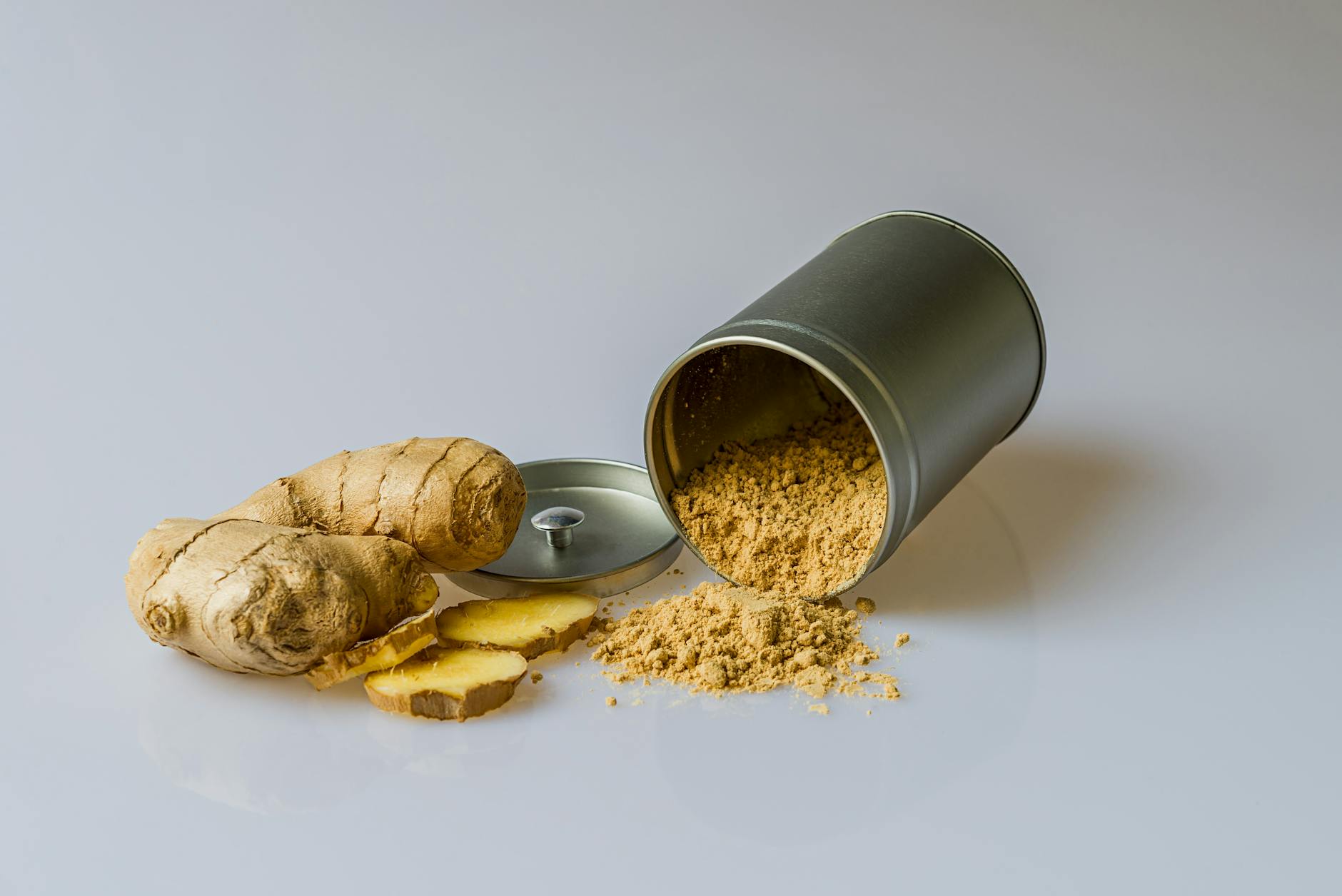
    Ginger is often suggested as a natural way to reduce inflammation, support digestion, and ease joint discomfort. Many women add ginger tea or fresh ginger to meals hoping for relief.

    Some feel better within weeks. Others notice no change at all.

    Again, the difference is not ginger. It is what is happening around it.

    What ginger actually supports
    Ginger is linked to:
    • reduced inflammatory compounds
    • improved digestion
    • gentler blood sugar responses compared to sugary snacks

    After 35, digestion often slows and stress affects gut function more strongly. Ginger can help support digestive comfort, but only if the underlying strain is not overwhelming.

    If sleep is poor or meals are skipped, ginger will not override that stress.

    The common swap mistake

    Many women swap biscuits, sweets, or sugary drinks for ginger tea and expect immediate results. When they still feel inflamed, they assume ginger does not work.

    What usually happens instead:
    • inflammation remains driven by sleep or hormones
    • hydration is still low
    • meals are irregular
    • stress remains high

    Without tracking, ginger gets blamed unfairly.

    Why tracking matters more than the swap
    Tracking allows you to see whether ginger:
    • improves digestion
    • reduces bloating
    • steadies energy
    • has no effect

    All outcomes are useful. Neutral foods are just as important to identify as supportive ones.

    When you track consistently, patterns emerge that memory alone cannot hold.

    How the Rebalance40 Anti Inflammatory Tracker supports consistency

    Rebalance40 focuses on awareness rather than discipline. You log food, sleep, hydration, movement, stress, and body signals. Scores reflect balance, not perfection.

    Past entries stay visible. You can update them. Nothing disappears.

    Over time, you can review your data or export it if you want to see trends more clearly.

    If ginger is part of your routine, tracking shows whether it supports you, and under what conditions.

    All outcomes are useful. Neutral foods are just as important to identify as supportive ones.

    When you track consistently, patterns emerge that memory alone cannot hold. Food reduces inflammation most effectively when it becomes consistent rather than perfect.

    You can view the Rebalance40 Anti Inflammatory Tracker and meal plan options here.

    Closing

    Food swaps are not failed experiments. They are incomplete ones.

    Ginger works best when paired with awareness. Tracking is what completes the picture.

  • Photo by http://www.kaboompics.com on Pexels.com

    If you are in your late 30s or 40s and feel inflamed more often than you used to, you are not imagining it. Many women notice stiffness, puffiness, joint discomfort, slower recovery, and brain fog creeping in even when their diet has not changed much.

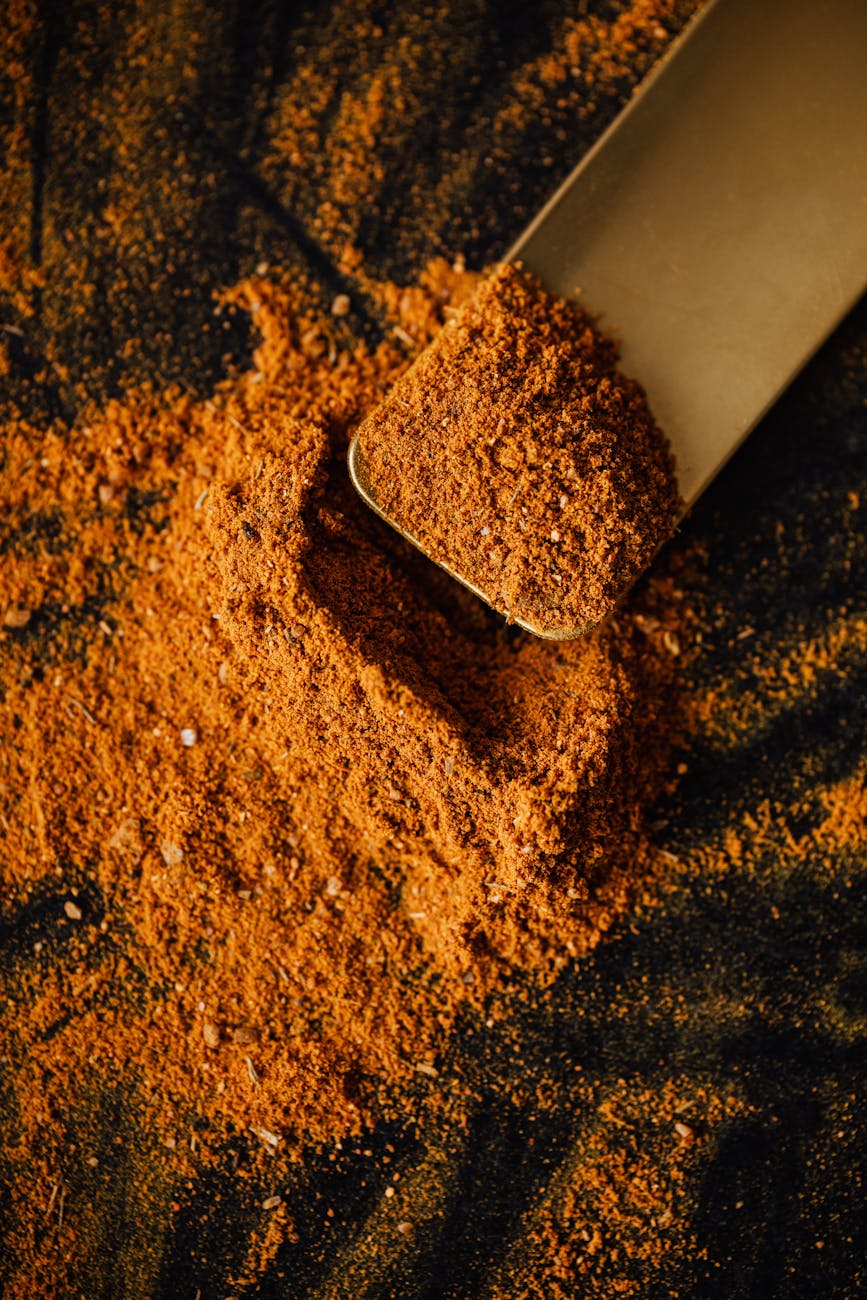
    Turmeric often comes up as a solution. It is widely recommended for inflammation, joint health, digestion, and immune support. Some women swear by it. Others try it and feel nothing at all.

    The difference is not turmeric itself. The difference is context.

    Why turmeric helps some women and not others

    Turmeric contains curcumin, a compound linked to reduced inflammatory signalling in the body. On paper, this sounds like exactly what many women need after 35.

    In real life, turmeric does not act in isolation.

    Its effect depends on:
    • sleep quality
    • stress load
    • hormone phase or life stage
    • hydration
    • food timing
    • what else you are eating

    If inflammation is being driven by poor sleep, blood sugar swings, or hormonal shifts, turmeric alone will not move the needle. If inflammation is already low and turmeric is added consistently with supportive habits, the impact is more noticeable.

    This is why two women can eat the same food and feel completely different.

    The real problem with food swaps

    Many women add turmeric, ginger, or anti-inflammatory foods and then stop because they feel no clear benefit. Not because the food does not work, but because nothing is being tracked.

    Without tracking, it is impossible to know:
    • whether symptoms are improving slowly
    • whether another factor is cancelling out the benefit
    • whether the timing is wrong
    • whether the food is neutral for your body

    Most inflammation builds quietly. It does not respond instantly. If you only rely on memory or gut feeling, progress feels random.

    Why tracking changes everything

    Tracking turns turmeric from a guess into an experiment.

    When you log:
    • what you eat
    • how you sleep
    • how your body feels
    • your energy and pain levels

    patterns start to appear.

    You might notice turmeric helps joint stiffness but not bloating. You might see benefits only during certain hormone phases. You might realise the benefit disappears during high stress weeks.

    This is not about perfection. It is about awareness.

    How Rebalance40 Anti-Inflammatory Tracker supports this process

    The Rebalance40 tracker is designed to help you notice these patterns without pressure. Entries never disappear. You can edit past days at any time. There are no streaks and no penalties.

    You log food, habits, and body signals. The tracker reflects trends over time rather than judging single days.

    You can also export your data at any point as a PDF or CSV, which many women find reassuring. Your history belongs to you.

    If turmeric is part of your routine, tracking helps you understand whether it is supporting you or simply adding noise.

    Closing

    Turmeric is not a magic fix. It is a signal. When paired with awareness, it becomes useful. When added blindly, it becomes disappointing.

    If you are making food swaps after 35, tracking is what makes them meaningful.