You might eat well most of the time and still feel bloated, puffy, foggy, or uncomfortable in your body. Many women reach this point after 35. It feels confusing because nothing obvious looks wrong.
The issue often is not one bad food or one bad day. The issue is patterns.
When inflammation builds slowly, the body responds quietly at first. Puffiness, poor sleep, brain fog, digestive discomfort, and low energy become normal. Without tracking, these signals stay disconnected.
Why tracking matters more than restriction
Most health advice focuses on cutting things out. Less sugar. Fewer carbs. More steps. That approach misses how the body actually works.
Inflammation is influenced by food, sleep quality, hydration, stress, hormones, and recovery. These factors interact. One choice rarely explains how you feel. Patterns over time do.
Tracking gives you evidence. It turns vague symptoms into information you can work with.
What tracking really means
Tracking is not calorie counting. It is not perfection. It is not punishment.
Tracking means writing down what you eat and noticing how your body responds. It means seeing how sleep quality affects digestion. It means noticing how late meals, stress, or dehydration show up the next day.
Nothing you log disappears. You can edit entries. You can add to them later. The goal is honesty, not perfect days.
Why many people lose motivation without tracking
Without tracking, progress feels random. You try something new. You feel better for a few days. Then symptoms return. Motivation drops because there is no clear feedback.
Tracking changes this. You start seeing trends. Certain foods support you more often. Certain habits drain you quietly. That awareness keeps people engaged because the body starts making sense.
Why this matters after 35
After 35, hormones, stress load, and recovery change. The same habits no longer produce the same results. Many women assume they need to try harder.
In reality, they need better feedback.
Tracking creates a clear picture of how your body responds now, not ten years ago.
How Rebalance40 Anti -Inflammatory Tracker supports tracking
Rebalance40 Anti-Inflammatory Tracker is designed for pattern tracking, not device tracking. It does not replace fitness trackers. It fills the gap they leave behind.
You track food choices, eating windows, sleep, hydration, stress, movement, and body signals. Scores are based on a food library built around inflammation science, including polyphenols, gut support, glycaemic load, and insulin response.
Daily and weekly views help you notice patterns without judgment.
You can download your history at any time as a CSV file or print it to PDF. This helps you reflect, share with practitioners, or simply see progress over time.
Tracking is not about control
Tracking is about awareness. When you understand what supports your body, change feels calmer and more sustainable.
Small swaps become obvious. Confidence grows. You stop guessing.
When inflammation lingers in the body, everything feels harder. Energy drops. Joints ache. Digestion slows. Brain fog thickens. Hormones drift off balance. Many people focus on food and supplements to calm inflammation, yet one of the most powerful tools for reducing inflammation works every night while you sleep.
Sleep is not passive rest. Sleep is active biological repair.
How Sleep Controls Inflammation at the Cellular Level
Inflammation is driven by signaling molecules called cytokines. During healthy sleep, the body suppresses pro-inflammatory cytokines and increases anti-inflammatory signals. When sleep becomes short, fragmented, or irregular, this balance flips.
Studies show that even one night of poor sleep raises levels of C-reactive protein, interleukin-6, and tumor necrosis factor alpha. These markers drive chronic inflammation linked to metabolic disease, autoimmune conditions, cardiovascular disease, and accelerated aging.
Deep sleep stages, particularly slow wave sleep, trigger a powerful anti-inflammatory response. Growth hormone release peaks. Cellular cleanup accelerates. Damaged proteins and metabolic waste clear from tissues and the brain. Immune cells reset their sensitivity so they stop overreacting to harmless triggers.
Without enough deep sleep, this cleanup system stalls.
Sleep, Hormones, and Inflammation
Sleep regulates cortisol, insulin, leptin, ghrelin, estrogen, progesterone, and thyroid hormones. All of these hormones influence inflammatory activity.
Short sleep raises cortisol, which drives blood sugar instability and increases inflammatory signaling. Poor sleep reduces insulin sensitivity, forcing the body to release more insulin to manage glucose. Elevated insulin promotes fat storage and increases inflammatory burden.
Sleep loss also disrupts estrogen and progesterone rhythms, intensifying joint pain, headaches, mood instability, and fluid retention. Thyroid hormone conversion slows, contributing to fatigue, cold sensitivity, and sluggish metabolism.
Inflammation thrives in this hormonal chaos.
Sleep and the Gut Inflammation Connection
Your gut lining regenerates rapidly during sleep. When sleep suffers, gut permeability increases. This allows bacterial fragments called endotoxins to leak into circulation, activating immune responses and systemic inflammation.
This gut-inflammation loop explains why poor sleep often leads to bloating, food sensitivities, reflux, and flare-ups of autoimmune symptoms.
Restoring sleep restores the gut barrier.
Sleep Deprivation and Brain Inflammation
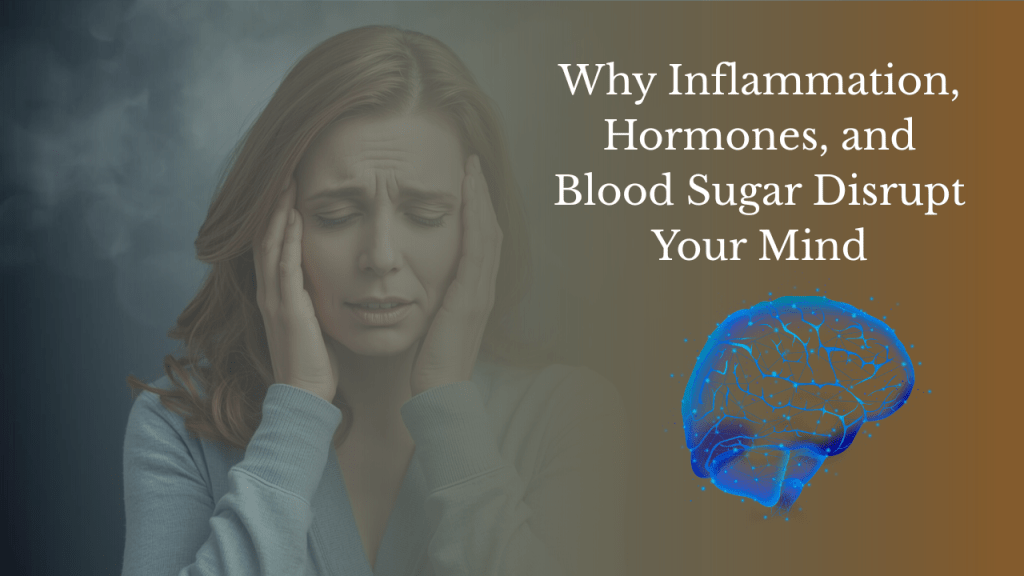
The brain’s glymphatic system clears metabolic waste primarily during deep sleep. When sleep becomes insufficient, inflammatory debris accumulates in brain tissue. This contributes to brain fog, headaches, anxiety, low mood, and impaired focus.
Neuroinflammation also interferes with serotonin and dopamine signaling, which affects motivation, mood stability, and emotional resilience.
This is why sleep deprivation feels inflammatory in the mind.
Why Anti-Inflammatory Diets Fail Without Sleep
Nutrition alone cannot override chronic sleep loss. Anti-inflammatory foods work through hormone signaling, immune regulation, and cellular repair pathways that are sleep dependent. Without consistent restorative sleep, those pathways remain impaired.
Food becomes less effective. Supplements produce weaker results. Exercise recovery slows. Inflammation lingers.
Sleep amplifies every other healing strategy.
Practical Strategies to Improve Sleep and Lower Inflammation
Establish a consistent sleep window Going to bed and waking at the same time anchors circadian rhythms and stabilizes cortisol and melatonin production.
Protect the pre-sleep hormone shift Dim lights after sunset. Avoid screens for at least one hour before bed. Blue light suppresses melatonin and increases cortisol.
Balance blood sugar in the evening A small protein-rich snack before bed prevents nocturnal blood sugar drops that trigger cortisol surges and night waking.
Support magnesium and glycine levels Magnesium supports nerve relaxation and reduces inflammatory stress signaling. Glycine promotes deeper sleep stages and lowers core body temperature.
Create thermal conditions for deep sleep A cooler bedroom improves slow wave sleep and lowers inflammatory markers.
Breathe before bed Slow breathing activates the vagus nerve and suppresses inflammatory stress responses.
Sleep as a Foundational Anti-Inflammatory Therapy
No supplement, superfood, or protocol rivals sleep in controlling inflammation. Sleep coordinates immune balance, hormone regulation, gut repair, metabolic stability, and brain detoxification simultaneously.
When sleep improves, inflammation declines. Energy returns. Pain softens. Focus sharpens. Hormones stabilize. Healing becomes easier.
Your body already holds the blueprint for repair. Sleep turns it on.
If you want to experience how fast inflammation responds when sleep, nutrition, and gut health align, the Rebalance40 3 Day Anti-Inflammatory Reset introduces simple daily practices that begin lowering inflammation within days and restoring metabolic balance from the inside out.
The Rebalance40 Anti-Inflammatory tracker is designed for women over 35 who want clarity, not restriction. It helps you log food, body signals, sleep, and habits, then review patterns over time. You can view the tracker and meal plan options here.
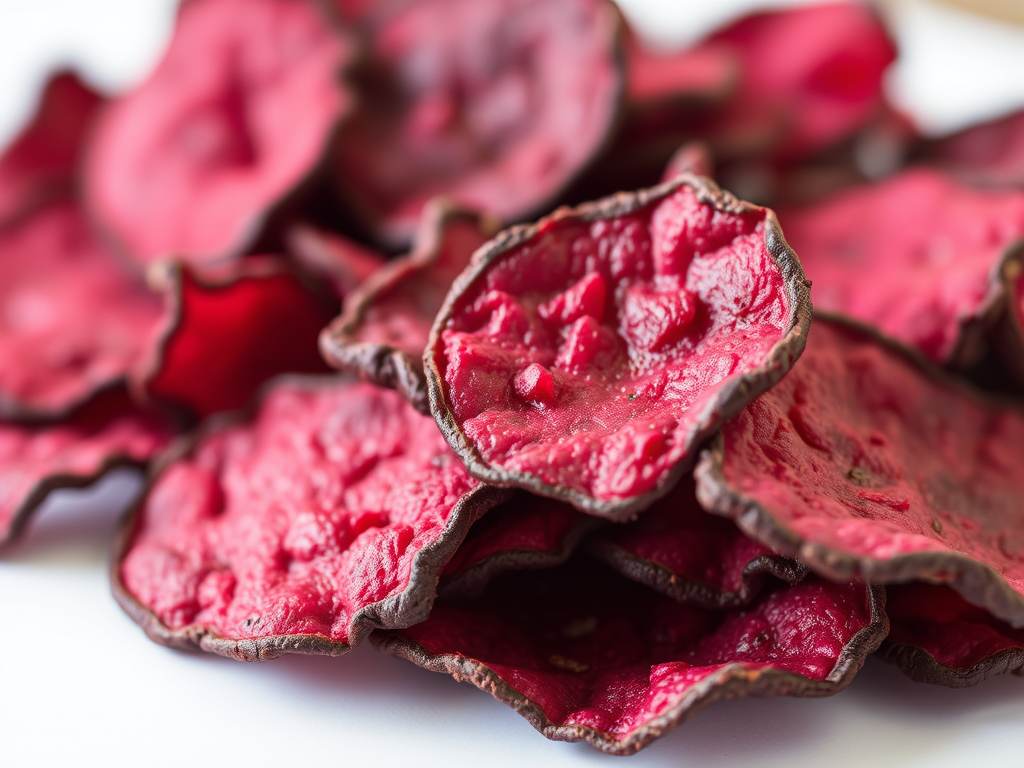
Beetroot is often recommended for circulation, energy, and inflammation support. It contains compounds linked to nitric oxide production, which supports blood flow.
Some women feel energised after adding beetroot. Others feel nothing. A few feel worse.
This does not mean beetroot is good or bad. It means context matters.
Why beetroot responses vary
Beetroot can: • support circulation • influence blood sugar responses • interact with hydration and exercise
If eaten at the wrong time or without enough protein or fat, beetroot may spike blood sugar for some women. For others, it supports steady energy.
After 35, blood sugar tolerance often changes. Hormones influence how the body responds.
How beetroot reduces inflammation
Chronic inflammation is driven by oxidative stress and immune overactivation. Beetroot directly counteracts both processes.
Polyphenols and betalains in beetroot neutralise free radicals before they damage tissues and trigger inflammatory signaling. Beetroot also inhibits pro-inflammatory enzymes and cytokines that contribute to joint pain, vascular inflammation, and cellular ageing.
This makes beetroot particularly effective for reducing low-grade chronic inflammation that underlies fatigue, joint stiffness, digestive discomfort, and metabolic imbalance.
Beetroot, energy, and metabolic health
By increasing nitric oxide production, beetroot enhances mitochondrial efficiency and oxygen utilisation. This leads to improved cellular energy production and reduced fatigue.
Studies show beetroot improves exercise performance, endurance, and recovery by lowering the oxygen cost of physical activity and improving muscle efficiency. For everyday life, this translates into more stable energy, reduced exhaustion, and improved physical resilience.
Beetroot also supports metabolic health by reducing inflammation in adipose tissue and improving lipid metabolism, helping protect against insulin resistance and cardiovascular disease.
Beetroot and brain health
Improved cerebral blood flow supports cognitive performance, memory, and mental clarity. Beetroot’s anti-inflammatory and antioxidant compounds also protect neurons from oxidative damage and age-related decline.
Research links regular beetroot intake to improved cognitive function and reduced risk of neurodegenerative conditions.
Why beetroot chips are an effective daily habit
Many people struggle to consume beetroot regularly because of taste or preparation time. Beetroot chips provide a convenient, enjoyable, and consistent way to receive beetroot’s benefits.
When baked or air-fried with olive oil and mild seasoning, beetroot chips retain their polyphenols, nitrates, and antioxidant content while offering a satisfying snack alternative to processed foods.
How to make simple beetroot chips
Thinly slice fresh beetroot. Toss lightly with olive oil and a pinch of sea salt. Add optional flavourings such as garlic powder, rosemary, turmeric, or black pepper. Bake at 160°C or 325°F for 25 to 35 minutes until crisp. Allow to cool fully for maximum crunch.
Combining beetroot with other anti-inflammatory foods
Beetroot becomes even more powerful when paired with complementary nutrients.
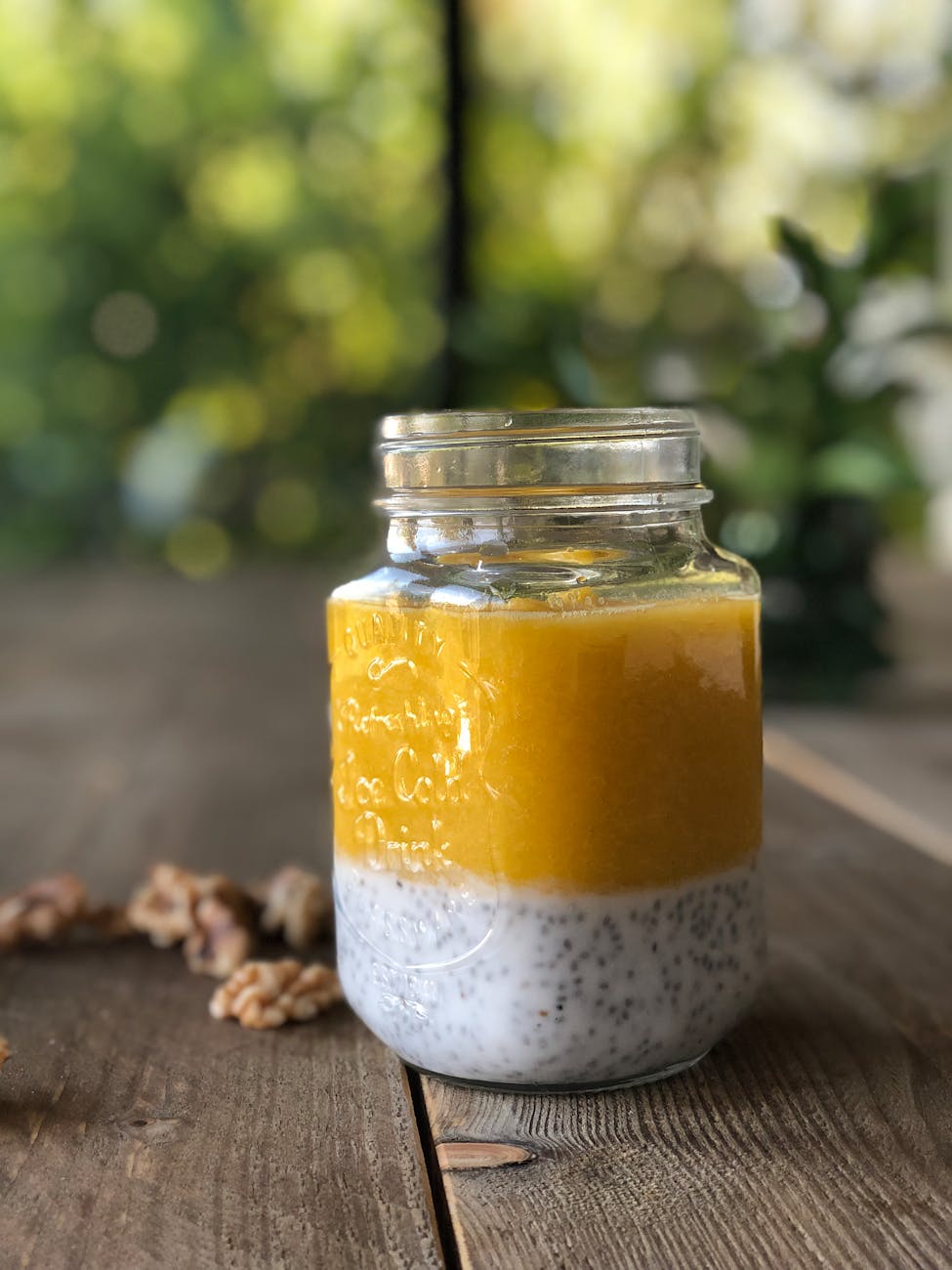
Olive oil improves antioxidant absorption. Leafy greens enhance detoxification and hormone balance. Ginger and turmeric amplify anti-inflammatory signaling. Greek yoghurt supports gut health and nutrient uptake. Chia seeds provide omega-3 fats that further reduce inflammation.
The bigger picture
Beetroot is not a trend food. It is a foundational anti-inflammatory, circulation-supporting, hormone-protective vegetable with broad systemic benefits. Consumed consistently, beetroot supports long-term vitality, cardiovascular resilience, metabolic health, cognitive clarity, and immune balance.
For women seeking a practical, evidence-based way to lower inflammation and strengthen overall health, beetroot deserves a permanent place in the diet.
Why tracking turns confusion into clarity
When you track beetroot alongside:
meal timing
energy levels
sleep
movement
patterns emerge.
You may notice beetroot works best earlier in the day. Or only on movement days. Or not at all during high stress weeks.
Tracking removes guesswork.
How Rebalance40 Anti Inflammatory Tracker supports long-term insight
If you are dealing with bloating, stubborn weight, joint stiffness, fatigue, blood sugar swings, or hormone symptoms that feel harder to manage after 35, inflammation is often part of the story. One of the simplest and most effective foods you can add to your daily routine to calm that inflammation is chia seed.
Chia seeds are not a trend. They are one of the most nutrient-dense foods available, and their effect on inflammation, hormones, digestion, and metabolic health becomes increasingly valuable as the body changes with age.
Why inflammation increases after 35
After 35, estrogen and progesterone patterns begin shifting. Cortisol becomes easier to elevate and harder to stabilise. Insulin sensitivity declines. Gut integrity weakens. Muscle mass slowly reduces. All of these changes raise baseline inflammation inside the body.
This low-grade inflammation often shows up as joint pain, bloating, fatigue, weight gain around the middle, brain fog, skin flare-ups, headaches, and mood changes. Many women assume these are unavoidable signs of ageing. They are not. They are signals of internal imbalance.
Chia seeds help correct several of the underlying drivers of this inflammation.
What makes chia seeds powerful against inflammation
Chia seeds deliver three major anti-inflammatory tools in one food: omega-3 fatty acids, fibre, and polyphenols.
Omega-3 fats directly reduce inflammatory cytokines and support cell membrane integrity. Fibre feeds beneficial gut bacteria and stabilises blood sugar, both of which lower immune activation. Polyphenols neutralise free radicals that damage cells and amplify inflammation.
This combination makes chia seeds uniquely suited for women navigating midlife health shifts.
Chia seeds and gut health
Roughly seventy percent of the immune system resides in the gut. When gut bacteria fall out of balance or the gut lining becomes permeable, inflammation rises throughout the body.
Chia seeds absorb liquid and form a gel-like texture. This slows digestion, feeds beneficial bacteria, and supports healthy bowel movements. The soluble fibre in chia helps repair the gut barrier and reduce the immune activation that drives bloating, food sensitivity, and autoimmune flare-ups.
A healthier gut means lower systemic inflammation.
Chia seeds and hormone balance
Hormones rely on proper detoxification and recycling. After 35, estrogen clearance often slows, leading to estrogen dominance and worsening PMS, breast tenderness, headaches, fluid retention, and mood swings.
The fibre in chia seeds binds excess estrogen in the digestive tract and helps escort it out of the body. This supports more balanced hormone levels and reduces inflammatory estrogen by-products.
Omega-3 fats also improve hormone receptor sensitivity, allowing hormones to work more efficiently with less inflammatory stress.
Chia seeds and blood sugar stability
Blood sugar spikes are one of the fastest ways to increase inflammation. They trigger oxidative stress, cortisol release, and inflammatory signalling throughout the body.
Chia seeds slow the absorption of carbohydrates and improve insulin sensitivity. Studies show regular chia consumption reduces post-meal glucose spikes and improves long-term blood sugar control.
This matters for energy, weight management, mood stability, and protection against metabolic conditions that accelerate inflammation.
Why tracking matters when you add foods like chia seeds
Adding chia seeds is helpful, but the real progress comes from noticing how your body responds over time. Many women eat anti inflammatory foods without tracking changes in bloating, energy, digestion, sleep, or joint comfort. Without tracking, it is easy to miss what is helping and what is not.
When you track food alongside body signals, patterns become clear. You might notice less bloating after three days. More stable energy by the end of the week. Better digestion when chia replaces a refined snack. These shifts often happen gradually, not overnight.
The Rebalance40 tracker is designed for this kind of awareness. It lets you log what you eat, how your body feels, your sleep, hydration, and stress, then review those patterns over time. Nothing you log disappears. You can edit entries at any point and look back weeks or months later.
If you want to see how foods like chia seeds are influencing inflammation in your own body, you can explore the Rebalance40 tracker here.
Chia seeds, weight regulation, and metabolic health
Inflammation disrupts hunger hormones, lowers metabolic efficiency, and encourages fat storage, particularly around the abdomen.
Chia seeds provide protein, fibre, and healthy fats in a combination that increases satiety, reduces cravings, and supports lean muscle maintenance. This improves metabolic flexibility and lowers inflammatory fat accumulation.
Women who stabilise blood sugar and improve gut health through foods like chia often notice weight becomes easier to manage without extreme restriction.
Chia seeds and joint health
Chronic inflammation damages connective tissue and accelerates joint degeneration. Omega-3 fats and antioxidants in chia seeds protect cartilage and reduce inflammatory pain signalling.
Many women experience reduced stiffness and improved mobility when chia becomes part of a consistent anti-inflammatory routine.
How to use chia seeds effectively
Consistency matters more than quantity.
One to two tablespoons daily provides meaningful benefits.
Simple ways to use chia:
Add to Greek yoghurt with berries
Stir into smoothies
Make chia pudding with almond milk and cinnamon
Sprinkle over salads or oatmeal
Mix into soups or stews
Always hydrate chia seeds before eating to improve digestion and nutrient absorption.
Why chia seeds fit a sustainable health strategy
After 35, the body thrives on steady, supportive nutrition rather than extremes. Chia seeds quietly reinforce gut health, hormone balance, blood sugar stability, and immune regulation.
Reducing inflammation is not about removing everything from your diet. It is about adding the right tools.
Chia seeds are one of those tools.
If your goal is long-term vitality, steady energy, and a body that feels resilient rather than reactive, this small daily habit creates a powerful ripple effect across your health.
Using simple swaps instead of restriction
Reducing inflammation does not require removing everything you enjoy. It often starts with simple swaps. Chia seeds are a supportive swap for refined breakfast cereals, sugary snacks, or fibre poor meals that spike blood sugar and drive inflammation.
Tracking these swaps matters. When you replace one food with another, your body gives feedback. Appetite changes. Energy shifts. Digestion improves or worsens. These signals guide better choices over time.
The Rebalance40 system combines simple swap thinking with tracking. You can pair a short meal plan with the tracker or use the tracker on its own to build awareness around food, habits, and recovery signals.
Brain fog is one of the most frightening symptoms women describe. Words disappear mid sentence. Focus feels slippery. Memory weakens. Motivation drops. Many women worry about early cognitive decline, yet medical tests often show nothing abnormal.
What you are experiencing is usually not cognitive loss. It is neuroinflammation.
When inflammation rises in the body, it does not stop at the joints or the gut. Inflammatory cytokines cross the blood brain barrier and activate microglia, the brain’s immune cells. Once activated, microglia release chemicals that interfere with neurotransmitter signaling and synaptic communication.
The result is slowed processing, reduced concentration, mental fatigue, and emotional volatility.
Hormonal shifts and cognitive clarity
Estrogen is one of the brain’s primary neuroprotective hormones. It supports glucose uptake in brain cells, stabilises serotonin and dopamine signalling, enhances mitochondrial energy production, and suppresses inflammatory activity.
As estrogen fluctuates or declines, the brain becomes more sensitive to inflammatory signals. This explains why brain fog often intensifies alongside cycle changes, poor sleep, heightened stress, and emotional instability.
Blood sugar and the brain
The brain relies heavily on steady glucose delivery. Inflammation and insulin resistance impair glucose transport into brain cells. Even when blood sugar appears normal, the brain may experience energy starvation.
This metabolic stress worsens focus, memory, and reaction speed.
Gut-brain immune signaling
The gut communicates directly with the brain through immune messengers and the vagus nerve. When gut integrity weakens, immune activation increases. These signals travel to the brain and amplify neuroinflammation.
An imbalanced microbiome also reduces production of neurotransmitter precursors such as tryptophan, which is essential for serotonin synthesis.
Why rest alone does not resolve brain fog
Sleep is necessary, but it does not address the biochemical root. Without lowering inflammation, repairing gut integrity, stabilizing blood sugar, and supporting hormones, cognitive symptoms persist.
Why brain fog improves only when patterns are tracked
Brain fog rarely comes from a single cause. It is usually the result of accumulated stressors. Poor sleep. Blood sugar swings. Hormonal shifts. Inflammatory foods. Digestive strain.
Because the changes are gradual, many women struggle to identify what is driving their symptoms.
Tracking turns confusion into clarity.
When you log food, sleep, stress, energy, pain, and cognitive symptoms together, patterns start to emerge. You may notice brain fog worsens after poor sleep. Improves when meals are more balanced. Peaks during certain hormone phases. Lifts when hydration improves.
These patterns are difficult to see without written records.
The Rebalance40 Anti-Inflammatory Tracker is designed to support this kind of awareness. You can log daily entries, update them at any time, and review both daily and weekly trends. Nothing you enter disappears. You can also download your history as a PDF or CSV if you want to review progress over time.
Stabilize blood sugar Protein, fiber, and fat at every meal prevent glucose swings that starve the brain.
Repair gut integrity Support with collagen, fermented foods, glutamine, zinc, and diverse plant intake.
Support hormone balance Adequate sleep, stress regulation, micronutrient sufficiency, and metabolic consistency protect estrogen and thyroid signaling.
Increase brain blood flow Walking, strength training, and sunlight exposure stimulate neurogenesis and mitochondrial recovery.
Thebody’s cognitive reset
As inflammation falls, microglial activity quiets. Neurotransmitter signaling recovers. Mitochondrial energy production increases. The brain regains clarity, resilience, and emotional stability.
Brain fog is not aging. It is biochemical overload. Change the chemistry and cognition returns.
Why awareness changes outcomes
Brain fog is not a personal failure. It is information. The body is signalling overload.
When inflammation falls, microglial activation quiets. Neurotransmitter signalling stabilises. Mitochondrial energy production improves. Cognitive clarity returns.
The goal is not perfection. It is awareness.
The Rebalance40 system combines simple food and habit awareness with gentle tracking, so you can see what supports your brain rather than guessing. You can view the tracker and meal plan options here.
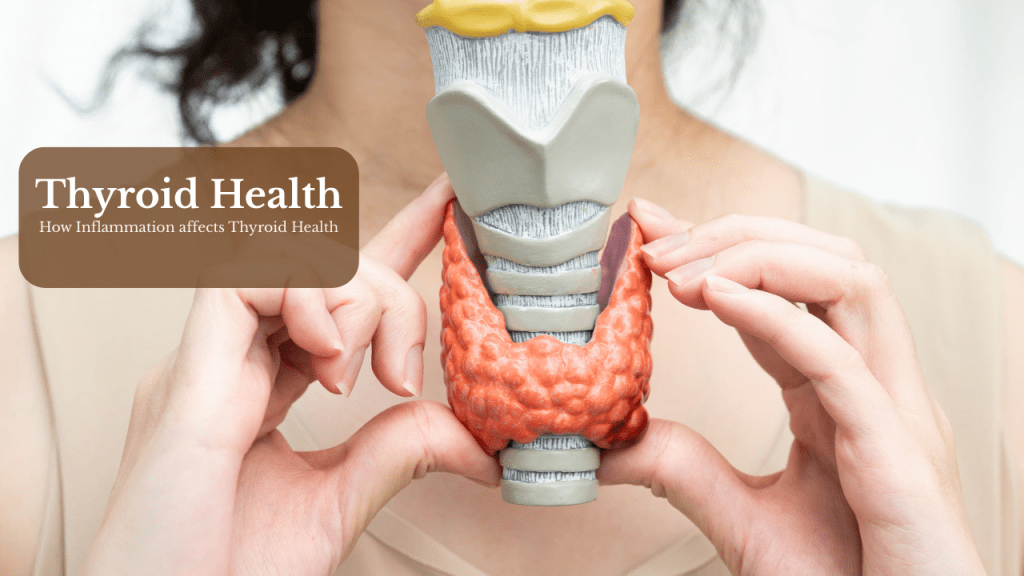
When women describe fatigue, cold sensitivity, weight gain, brain fog, thinning hair, and low motivation, thyroid dysfunction often sits at the center. Yet standard lab tests frequently return “normal.” The missing piece is inflammation and gut driven hormone disruption.
The thyroid does not operate in isolation. It functions inside a network involving the immune system, gut, liver, adrenal glands, and brain. When inflammation enters this network, thyroid signaling weakens long before blood tests reveal dysfunction.
Why thyroid symptoms appear without abnormal labs
The thyroid produces mostly T4 hormone, which must be converted into active T3 inside cells. Inflammation interferes with this conversion by increasing reverse T3, an inactive hormone that blocks metabolic signaling. As a result, cells behave as if they are hypothyroid even while T4 levels appear normal.
This explains why women experience classic hypothyroid symptoms despite being told their labs look fine.
Inflammation and autoimmune thyroid disease
Hashimoto’s thyroiditis remains the leading cause of hypothyroidism in women. Autoimmune thyroid disease emerges when immune tolerance collapses, most often following prolonged gut barrier disruption.
When bacterial fragments and food antigens enter the bloodstream, the immune system remains in constant activation. Over time, immune cells mistake thyroid tissue for foreign invaders and attack it. The inflammation damages thyroid structure, reduces hormone output, and amplifies metabolic slowdown.
Gut dysfunction as the hidden trigger
The majority of thyroid hormone conversion occurs in the gut and liver. Poor gut integrity impairs nutrient absorption of selenium, zinc, iron, iodine, and tyrosine, all essential for thyroid hormone production and activation.
At the same time, microbiome imbalance alters estrogen metabolism, cortisol regulation, and immune signaling, further suppressing thyroid performance.
Brain fog and mood instability
Thyroid hormones regulate neurotransmitter sensitivity. When T3 declines inside brain cells, dopamine and serotonin signaling weakens. Cognitive processing slows. Motivation falls. Memory becomes unreliable. Anxiety and depression often intensify.
These symptoms reflect neurochemical disruption driven by inflammatory interference with thyroid signaling.
Why thyroid symptoms persist without tracking patterns
Thyroid symptoms rarely come from a single cause. They develop through the interaction of inflammation, gut dysfunction, blood sugar instability, stress load, and hormonal shifts. Because these drivers overlap, many women struggle to identify what is actually worsening their symptoms.
Tracking changes this.
When you track food, digestion, sleep, stress, energy, mood, and body signals together, patterns begin to surface. You may notice fatigue worsens after poor sleep. Cold sensitivity increases during high stress weeks. Brain fog improves when digestion stabilises. These links are difficult to see without written records.
The Rebalance40 Anti Inflammatory Tracker is designed to support this awareness. It allows you to log daily entries, update them at any time, and review both daily and weekly trends. Nothing you enter disappears. You can also download your records as a PDF or CSV to review your progress over time.
Repair the gut barrier Emphasize collagen, bone broth, glutamine, zinc, vitamin A, and fermented foods.
Support thyroid nutrients Ensure sufficient intake of selenium, zinc, iodine, iron, vitamin D, magnesium, and B vitamins.
Stabilize blood sugar Protein and fiber at each meal protect thyroid hormone conversion.
Lower cortisol Consistent sleep, morning light, walking, and strength training restore adrenal-thyroid balance.
The body’s recovery pathway
When inflammation falls, immune tolerance improves. When immune tolerance improves, thyroid tissue stabilizes. When thyroid signaling strengthens, metabolism, mood, cognition, and energy recover together.
This is why addressing inflammation and gut health becomes the foundation of thyroid healing.
Why awareness supports thyroid recovery
Thyroid healing does not come from forcing the body harder. It comes from reducing inflammatory load and responding to the body’s feedback over time.
Tracking allows you to see whether dietary changes, gut support, improved sleep, or stress reduction are improving energy, mood, digestion, and metabolic resilience. These improvements often occur gradually and are easy to miss without records.
The Rebalance40 Anti Inflammatory Tracker supports this process by helping you notice trends rather than focusing on single days. It is not a calorie tracker or a fitness app. It is a tool for understanding how inflammation responds to daily choices.
Many women notice a shift in digestion in their mid-thirties and beyond. Foods once tolerated start triggering bloating, fatigue, joint stiffness, skin flare-ups, anxiety, and stubborn weight. This change is not random. It reflects a deeper transformation occurring inside the gut.
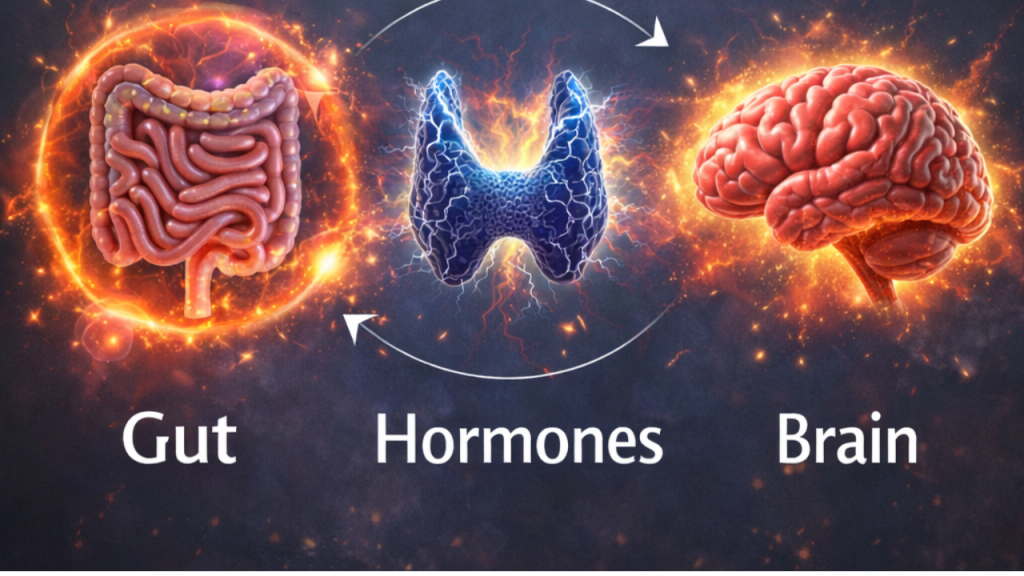
The gut becomes the central control room where inflammation, hormones, immunity, metabolism, and brain chemistry intersect.
Understanding this intersection allows you to regain stability across the entire body.
The gut as the immune command center
Roughly seventy percent of your immune system lives inside the gut. Every meal, stress signal, hormone fluctuation, and toxin exposure passes through this environment. When the gut lining remains intact and the microbiome stays diverse, immune activity remains balanced.
As estrogen begins fluctuating after the mid-thirties, gut permeability increases. The protective barrier between the gut and bloodstream weakens. This condition, often described as increased intestinal permeability or leaky gut, allows bacterial fragments and food particles to pass into circulation. The immune system interprets these particles as threats and launches an inflammatory response.
This inflammation does not stay confined to the gut. It spreads systemically, affecting joints, skin, thyroid function, brain chemistry, ovaries, and blood sugar control.
Microbiome shifts and estrogen recycling
Your gut microbiome contains a specialized group of bacteria known as the estrobolome. These bacteria regulate how estrogen is broken down, recycled, and eliminated. When the microbiome loses diversity, estrogen recycling becomes distorted.
Poor estrogen clearance contributes to estrogen dominance. This worsens PMS, fibroids, heavy cycles, migraines, breast tenderness, water retention, mood instability, and fat storage around the hips and abdomen.
Inflammation further suppresses healthy microbial diversity, creating a feedback loop between gut dysfunction and hormonal imbalance.
Bloating and metabolic disruption
Bloating after meals often signals fermentation imbalance inside the small intestine. Slowed digestion, enzyme deficiency, and microbial overgrowth generate gas, pressure, and abdominal swelling. This mechanical distension activates inflammatory pathways and disrupts vagal nerve signaling between the gut and brain.
Blood sugar regulation becomes unstable. Insulin resistance increases. Cravings intensify. Energy drops. The metabolism slows its adaptive capacity.
What many women experience as weight gain begins as immune and microbial dysfunction.
Autoimmune risk and the gut barrier
Autoimmune conditions rise sharply in women after the mid-thirties. Hashimoto’s thyroiditis, rheumatoid arthritis, lupus, psoriasis, and inflammatory bowel disorders all share one central feature: loss of gut barrier integrity.
When immune cells repeatedly encounter foreign particles in the bloodstream, tolerance breaks down. The immune system begins attacking tissues that resemble these particles. Thyroid tissue becomes one of the most common casualties.
Restoring gut barrier function reduces autoimmune activation at its source.
Mental health links and brain inflammation
The gut produces over ninety percent of the body’s serotonin and a large portion of dopamine precursors. When inflammation disrupts the microbiome, neurotransmitter synthesis falls. Anxiety, low mood, irritability, brain fog, and poor concentration follow.
Inflammatory cytokines cross the blood brain barrier and directly impair cognitive processing and emotional regulation. Many mood symptoms attributed to stress or aging originate in gut-driven neuroinflammation.
Why gut healing requires tracking patterns
Gut symptoms rarely exist on their own. Bloating, fatigue, skin reactions, mood shifts, joint stiffness, and weight changes are often driven by overlapping inputs such as food choices, stress load, sleep quality, hormonal phase, and digestion timing.
Because these signals interact, many women struggle to identify what is truly aggravating their gut. Memory alone is unreliable, especially when symptoms fluctuate.
Tracking creates clarity.
When you log food, digestion, sleep, stress, energy, pain, and hormonal context together, patterns begin to emerge. You may notice bloating worsens after certain foods combined with poor sleep. Energy improves when digestion stabilises. Mood shifts correlate with gut discomfort. These links are difficult to see without records.
The Rebalance40 Anti Inflammatory Tracker is designed to support this awareness. It allows you to log daily entries, update them at any time, and review both daily and weekly trends. Nothing you enter disappears. You can also download your records as a PDF or CSV to review progress over time.
Repairing the gut lining Amino acids such as glutamine, collagen peptides, zinc, vitamin A, and vitamin D strengthen tight junction integrity and accelerate mucosal healing.
Stabilizing blood sugar Protein, fiber, and healthy fats at every meal prevent glucose spikes that feed inflammation.
Managing nervous system stress Deep sleep, walking, sunlight exposure, breathwork, and strength training reduce cortisol, which otherwise damages gut barrier function.
The deeper message
When gut health stabilizes, inflammation falls. When inflammation falls, hormones regain coordination. When hormones stabilize, metabolism, mood, immunity, and energy recover together.
Your body is not breaking down. It is responding to biochemical signals. Change the signals, and the system recalibrates.
Why awareness accelerates gut recovery
Gut healing does not happen through restriction or perfection. It happens through consistent nourishment and paying attention to the body’s feedback.
Tracking allows you to see whether dietary changes, improved sleep, stress reduction, or gut supportive foods are reducing bloating, stabilising energy, improving mood, and lowering inflammatory symptoms. These improvements often occur gradually and are easy to miss without records.
The Rebalance40 Anti Inflammatory Tracker supports this process by helping you notice trends rather than focusing on individual days. It is not a calorie tracker or a fitness app. It is a tool for understanding how inflammation responds to daily choices.
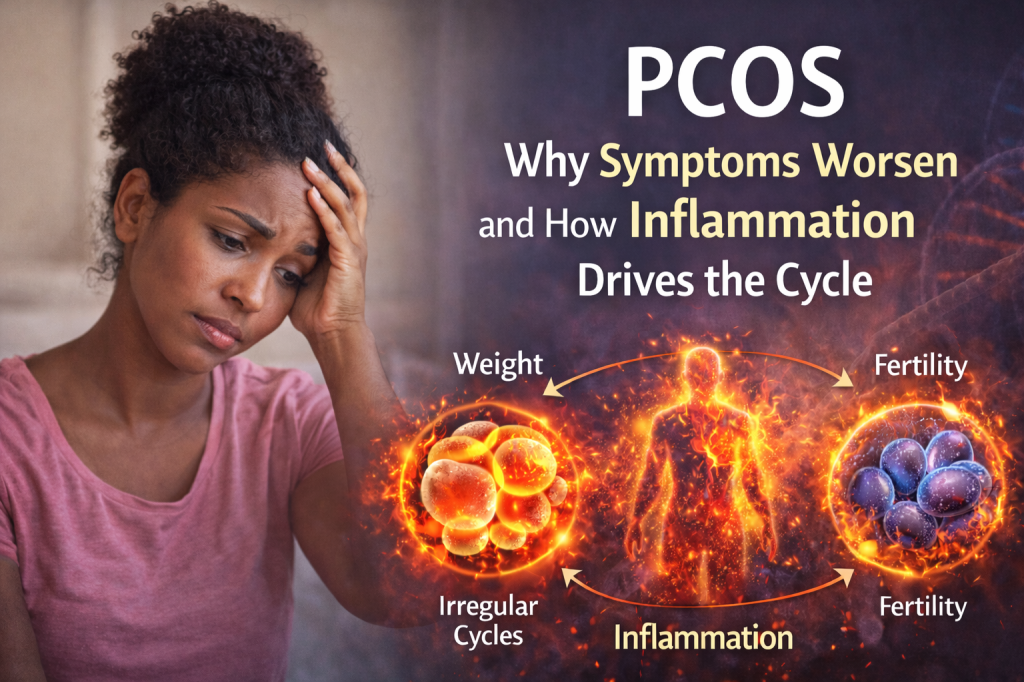
Polycystic Ovary Syndrome affects up to one in ten women worldwide. For many women, symptoms do not stay stable. Over time they often intensify. Weight becomes harder to manage. Cycles grow more unpredictable. Fatigue and brain fog increase. Fertility concerns appear. The common thread running through all of this is chronic inflammation.
Understanding this link changes everything.
What inflammation does inside PCOS
Inflammation refers to immune activity that stays switched on. In PCOS, inflammatory markers such as C-reactive protein, interleukin-6, and tumor necrosis factor alpha remain elevated. This immune overactivity disrupts hormone signaling, damages insulin sensitivity, and interferes with ovarian function.
Inflammation pushes the body into survival mode. Blood sugar control weakens. Cortisol rises. Hormonal feedback loops lose precision. Over time the entire metabolic system shifts toward imbalance.
The insulin resistance loop
Most women with PCOS show some degree of insulin resistance, even at a healthy body weight. Inflammation drives this process.
Inflammatory signals block insulin receptors. Glucose stays in the bloodstream longer. The pancreas releases more insulin. High insulin stimulates ovarian cells to produce more androgens such as testosterone. Androgens disrupt ovulation, increase abdominal fat storage, worsen acne and hair growth, and further increase inflammation.
This creates a self-reinforcing loop.
Inflammation increases insulin resistance
Insulin resistance increases androgen production.
Androgens increase visceral fat
Visceral fat releases more inflammatory chemicals.
Symptoms do not worsen randomly. They follow this biochemical chain reaction.
Why weight becomes stubborn
Fat tissue, especially around the abdomen, acts as an endocrine organ. It produces estrogen, cortisol, and inflammatory cytokines. In PCOS, this fat becomes metabolically active in harmful ways.
Inflammation slows mitochondrial energy production. Fewer calories convert into usable energy. The body shifts toward storage. Hunger hormones such as ghrelin rise while satiety hormones such as leptin lose sensitivity.
Weight gain becomes less about willpower and more about distorted signaling.
Cycle irregularity and ovulation disruption
Healthy ovulation requires precise communication between the brain, pituitary, ovaries, and uterus. Inflammation interferes with this signaling at multiple levels.
The result is delayed ovulation, missed cycles, or cycles without ovulation. Over time, progesterone deficiency becomes common, worsening anxiety, sleep quality, fluid retention, and premenstrual symptoms.
Fertility challenges
Ovulation quality matters as much as ovulation frequency. Inflammatory chemicals impair egg development, reduce implantation success, and increase miscarriage risk.
Calming inflammation improves ovarian blood flow, mitochondrial function inside eggs, and uterine receptivity.
This explains why anti-inflammatory interventions consistently improve fertility outcomes in PCOS even before weight loss occurs.
Brain fog and fatigue
The brain responds directly to inflammatory signals. Cytokines cross the blood brain barrier and alter neurotransmitter production. Dopamine, serotonin, and acetylcholine decline. Cognitive clarity fades. Motivation drops. Fatigue deepens.
Many women interpret this as emotional weakness or stress. In reality, the brain reacts to immune chemistry.
Why PCOS symptoms require pattern awareness
PCOS symptoms rarely move in straight lines. Energy, appetite, cycles, cravings, mood, and inflammation fluctuate based on food choices, sleep quality, stress load, movement, and hormonal timing. Because these factors overlap, many women struggle to identify what is driving symptom flare ups.
Tracking brings clarity.
When you log food, blood sugar patterns, stress, sleep, energy, cycle signals, and body responses together, patterns begin to surface. You may notice cravings increase after poor sleep. Brain fog worsens during certain cycle phases. Inflammation improves when meals are more balanced. These connections are difficult to see without records.
The Rebalance40 Anti Inflammatory Tracker is designed to support this awareness. It allows you to log daily entries, update them at any time, and review both daily and weekly trends. Nothing you enter disappears. You can also download your records as a PDF or CSV to review progress over time.
Gut restoration Fermented foods, diverse vegetables, and reduced ultra-processed foods restore the microbiome, lowering immune activation.
Stress modulation Lower cortisol through sleep regularity, morning light exposure, walking, breathwork, and strength training.
Movement that improves insulin sensitivity Strength training and steady walking outperform intense cardio for PCOS.
Why tracking supports long term PCOS stability
PCOS does not improve through restriction or short term fixes. It stabilises when inflammatory load decreases and the body receives consistent signals of safety.
Tracking allows you to see whether changes in food quality, meal timing, sleep, stress reduction, or movement are improving cycle regularity, energy, cravings, and mood. These improvements often occur gradually and are easy to miss without written records.
The Rebalance40 Anti Inflammatory Tracker supports this process by helping you notice trends rather than focusing on individual days. It is not a calorie tracker or a fitness app. It is a tool for understanding how inflammation responds to daily choices.
If your body started feeling unfamiliar sometime after your mid thirties, you are not imagining things. The change is biological, predictable, and measurable. What shifts first is not weight, energy, or mood. What shifts first is inflammation.
Inflammation is your immune system’s alarm. When you are younger, the alarm switches off quickly. After 35, hormonal changes, metabolic stress, gut changes, and life load make the alarm stay on longer. Over time, low level chronic inflammation begins shaping how your body behaves.
This explains why women often say, “I eat the same, move the same, but everything feels harder now.”
What Actually Changes After 35
Around the mid thirties, estrogen and progesterone begin their long gradual decline. Estrogen is one of the body’s strongest natural anti inflammatory agents. As estrogen falls, inflammatory markers rise. Studies show women after 35 experience increasing levels of C reactive protein, interleukin 6, and tumor necrosis factor alpha, all major drivers of systemic inflammation.
At the same time, insulin sensitivity decreases. Blood sugar becomes less stable. Cortisol patterns flatten. Thyroid hormone conversion becomes less efficient. Gut barrier integrity weakens. Each of these changes amplifies inflammation. Inflammation then feeds back and worsens each of those systems.
This loop explains why symptoms begin stacking.
Why Inflammation Feels Different Now
Before 35, inflammation tends to show up as an occasional injury, illness, or short lived flare. After 35, inflammation becomes chronic and systemic. Instead of one symptom, you experience clusters.
Common clusters include : – Fatigue plus weight gain – Brain fog plus anxiety – Joint pain plus stiffness – Bloating plus constipation – Hair thinning plus cold sensitivity – Sleep problems plus stubborn belly fat
These symptoms feel unrelated, but they share the same driver.
Inflammation Rewrites Metabolism
Inflammation interferes with insulin signaling inside cells. Glucose has a harder time entering cells, so insulin rises. Higher insulin locks fat storage in place and blocks fat burning. Inflammation also suppresses mitochondrial function, reducing cellular energy production. This explains why women feel exhausted while gaining weight on the same habits.
Inflammation and the Brain
Chronic inflammation crosses the blood brain barrier and activates microglia, the brain’s immune cells. This produces neuroinflammation. Neuroinflammation disrupts serotonin and dopamine signaling, impairs memory and focus, increases anxiety, and reduces motivation. Brain fog after 35 is not a motivation problem. It is inflammation in neural tissue.
Inflammation, Hormones, and the Thyroid
Inflammation reduces conversion of T4 to active T3 thyroid hormone. It increases reverse T3, which blocks metabolic signaling. Many women develop hypothyroid symptoms with normal lab tests because inflammation disrupts hormone action at the cellular level.
Inflammation and the Gut
The gut lining becomes more permeable under inflammatory stress. Undigested particles leak into the bloodstream, triggering immune activation. This further increases inflammation and drives food sensitivities, bloating, autoimmune symptoms, and hormone recycling problems.
Why Your Body Feels Like It Is Rewriting the Rules
When inflammation stays elevated, the body shifts from growth and repair mode into survival mode. Fat storage increases. Muscle breakdown accelerates. Energy output drops. Reproductive hormones decline. Sleep becomes lighter. Recovery slows.
Your body is not failing. It is adapting to internal stress.
Why inflammation patterns must be tracked after 35
Inflammation after 35 rarely shows up in one place. It affects energy, weight, digestion, sleep, mood, joints, hormones, and cognition at the same time. Because these symptoms build gradually, many women struggle to identify what is actually driving the changes they feel.
Tracking creates clarity.
When you log food, sleep, stress, movement, hydration, and body signals together, patterns start to emerge. You may notice inflammation worsens after poor sleep. Weight stalls during high stress weeks. Brain fog improves when blood sugar stabilises. These connections are difficult to see without written records.
The Rebalance40 Anti Inflammatory Tracker is designed to support this awareness. It allows you to log daily entries, update them at any time, and review both daily and weekly trends. Nothing you enter disappears. You can also download your records as a PDF or CSV to review progress over time.
After 35, your body no longer responds to restriction, over exercise, or rigid control. It responds to safety, stability, nourishment, and anti inflammatory input.
The core priorities become: – Calming inflammation – Stabilizing blood sugar – Supporting hormone balance – Repairing gut integrity – Restoring metabolic flexibility – Rebuilding cellular energy
This is the foundation behind Rebalance40. Your body shifts when inflammation shifts.
When inflammation falls, energy returns, weight stabilises, brain clarity returns, joints soften and hormones stabilize.
This is the real reset women need after 35.
Why awareness drives lasting change
After 35, the body responds best to consistency rather than control. Progress comes from noticing what calms inflammation and repeating those signals over time.
Tracking allows you to see whether changes in food quality, sleep, stress reduction, movement, or hydration are restoring energy, easing joint discomfort, improving digestion, and stabilising hormones. These improvements often occur slowly and are easy to miss without records.
The Rebalance40 Anti Inflammatory Tracker supports this process by helping you focus on trends rather than individual days. It is not a calorie tracker or a fitness app. It is a tool for understanding how inflammation responds to daily choices.
If your knees feel stiff in the morning, your hands ache more than they used to, or your joints protest after simple movement, your body is not breaking down. Your body is responding to rising inflammation and shifting hormones. This change happens for many women after 40, and food plus daily habits play a direct role in how your joints feel.
Joint pain after 40 rarely starts in the joints. It starts in your immune system, your gut, and your hormone balance.
Why Joint Pain Increases After 40
After 40, estrogen begins to decline. Estrogen protects joints by controlling inflammation. As levels fall, inflammatory markers rise. At the same time, gut permeability increases, blood sugar control weakens, and recovery slows. These changes create the perfect environment for chronic joint pain.
Women in midlife show higher levels of C reactive protein, one of the main inflammation markers tied to joint pain and stiffness.
The Foods That Calm Joint Inflammation
Oily Fish Salmon, sardines, mackerel, anchovies Rich in omega 3 fatty acids which reduce inflammatory cytokines and improve joint mobility.
Extra Virgin Olive Oil Acts similarly to anti inflammatory medication by blocking inflammatory enzymes.
Berries Blueberries, strawberries, blackberries Protect joint tissue from oxidative damage.
Leafy Greens Spinach, kale, arugula Supply magnesium and antioxidants essential for joint health.
Turmeric and Ginger Both reduce pain signaling in the body and improve circulation to stiff joints.
Nuts and Seeds Walnuts, chia, flax, pumpkin seeds Support cartilage repair and reduce inflammatory load.
Foods That Make Joint Pain Worse
Refined sugar White flour and baked goods Seed oils such as canola, soybean, sunflower Ultra processed snacks Sugary drinks
Studies show these foods increase inflammatory markers and worsen arthritis symptoms within weeks.
Daily Habits That Protect Your Joints
Walk daily Walking lubricates joints, improves circulation, and reduces stiffness.
Strength training twice weekly Muscle protects joints. Loss of muscle increases joint load and pain.
Hydration Dehydrated cartilage becomes stiff and painful. Aim for steady water intake all day.
Sleep before midnight Deep sleep lowers inflammatory hormones and supports tissue repair.
Stress management Chronic stress elevates cortisol, which accelerates joint inflammation.
How Long Before You Feel a Difference
Most women notice reduced stiffness within two to three weeks of consistent anti inflammatory eating and movement. Joint mobility continues improving for several months as inflammation falls.
How Rebalance 40 Supports Your Joint Health
Rebalance 40 gives you the food plans, daily symptom tracking, and habit structure built for women over 40. You stop guessing. Your body shows you what works. Your joints respond.
If joint pain is slowing you down, this is where your reset begins.



 Rebalance40