
Introduction
When people think about reducing inflammation, they usually focus on food choices. They think about vegetables, spices, healthy fats, and reducing sugar.
But there is another layer that receives far less attention. The environment in which food is prepared.
The materials that touch your food every day can influence what ends up in your body. Cookware coatings, plastic containers, water quality, and food preparation tools all interact with food during cooking and storage.
Most of these exposures are small. But inflammation is often driven by cumulative factors rather than one single cause. Small exposures repeated daily can slowly add to the body’s overall burden.
This is why many scientists now discuss the concept of environmental load. It refers to the total number of chemical and physical exposures that influence metabolism, hormones, and immune function over time.
The goal is not perfection. The goal is awareness and gradual improvement.
Understanding inflammation and environmental exposure
Inflammation is the body’s protective response to injury, infection, or stress. Short term inflammation is necessary for healing. Chronic inflammation, however, is associated with metabolic disease, cardiovascular disease, hormonal disorders, and autoimmune conditions.
Environmental chemicals can contribute to this process in several ways.
- They may interfere with hormone signaling.
- They may increase oxidative stress.
- They may disrupt gut bacteria.
- They may accumulate in body tissues over time.
Many of these substances are called endocrine disrupting chemicals. These chemicals interfere with hormone systems that regulate metabolism, immune function, and inflammation.
For people trying to reduce inflammation through diet and lifestyle, reducing unnecessary exposures in the kitchen is a logical extension of that goal.
Cookware and the question of chemical coatings
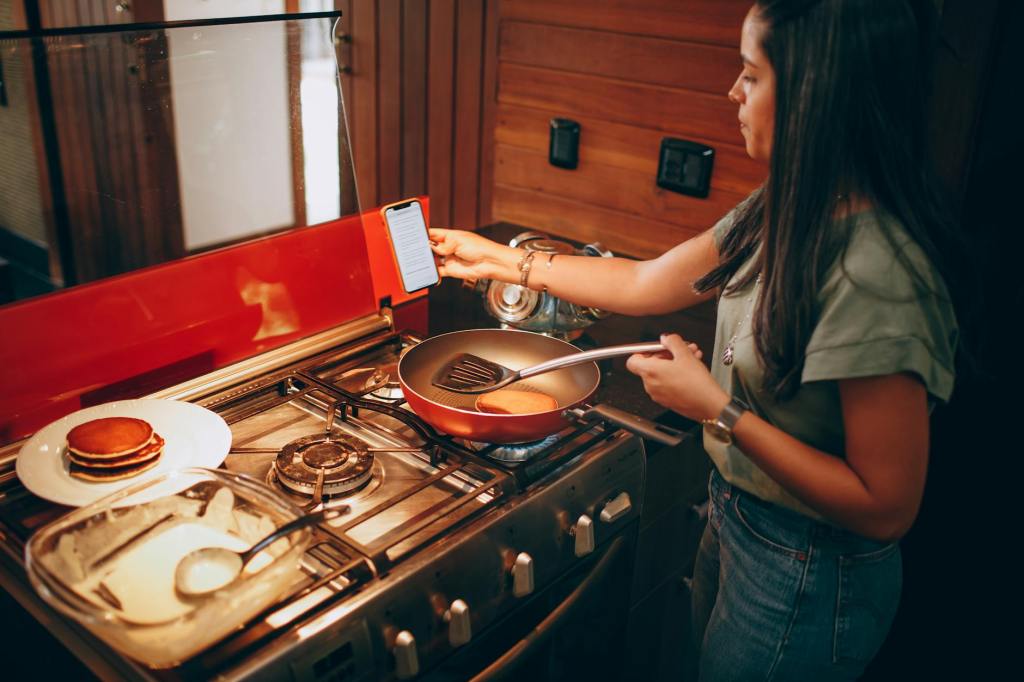
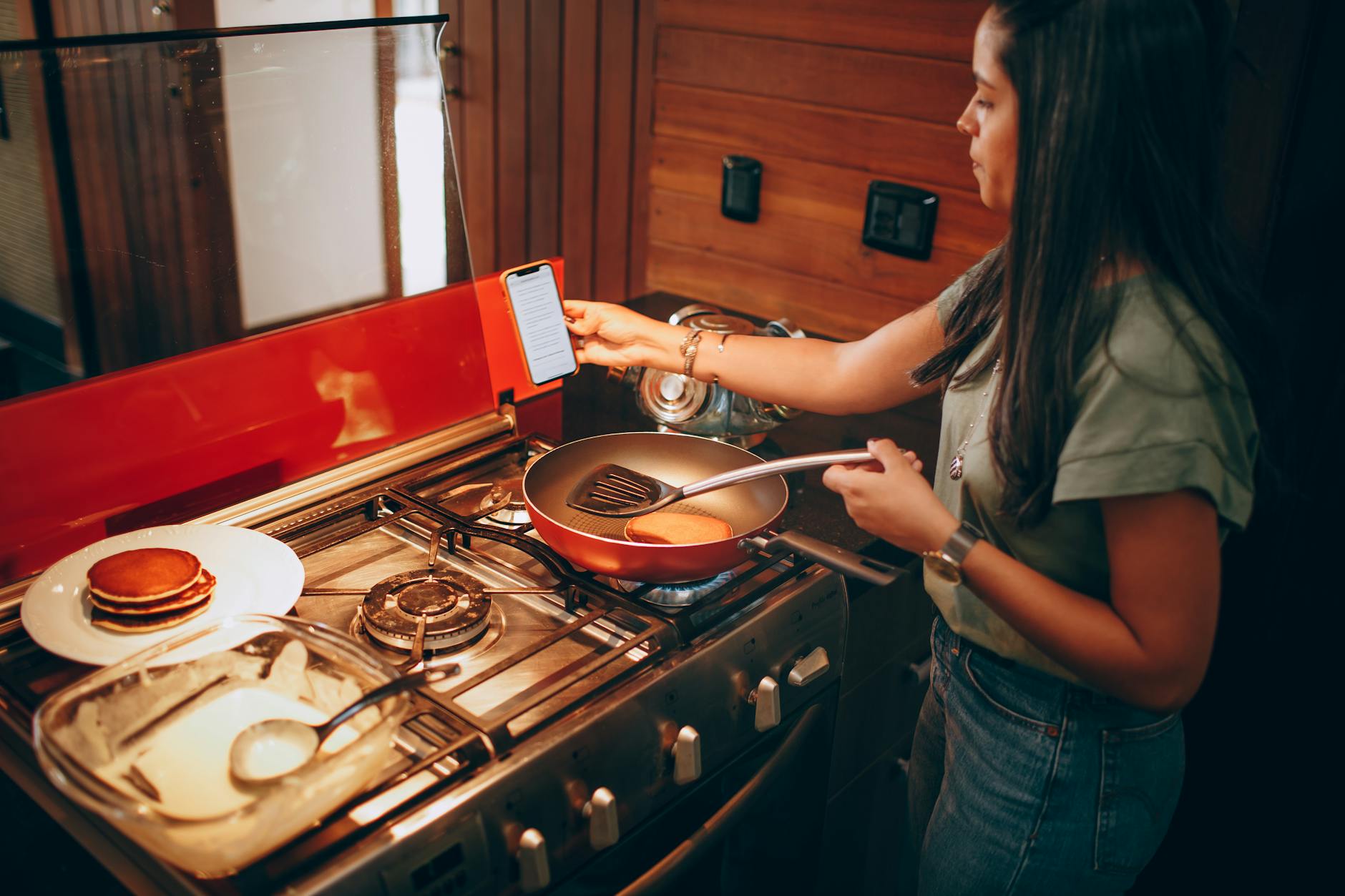
One of the most discussed topics in kitchen health is non stick cookware.
Many non stick surfaces contain compounds from a chemical group known as PFAS. These substances are often called “forever chemicals” because they persist in the environment and the human body for long periods of time.
Some PFAS compounds have been associated with health concerns including hormone disruption, immune effects, and metabolic disorders.
Studies also show that when PTFE coated pans are heated to very high temperatures they can release gases and particles from the coating.
Regulatory agencies emphasize that modern non stick cookware is generally considered safe when used properly. However overheating or using damaged pans can increase the risk of chemical release.
For people seeking to minimize chemical exposure, many researchers and environmental health groups recommend using more stable cooking materials.
These include
- stainless steel
- cast iron
- enamel coated cast iron
- glass baking dishes
These materials are durable, chemically stable, and widely used in traditional cooking systems around the world.
Food storage and the role of plastics
Food storage is another area where environmental exposure occurs frequently.
Plastic containers may contain additives such as bisphenols and phthalates. These substances help plastics remain flexible or durable but they can migrate into food under certain conditions.
Research shows these additives act as endocrine disruptors that affect hormone signaling, metabolism, and reproductive health.
Some studies also show that plastics break down into microscopic particles known as microplastics.
Microplastics have been detected in many parts of the environment, including drinking water and food packaging.
Recent research suggests microplastics can trigger oxidative stress and inflammatory responses in biological tissues.
This does not mean plastic containers are immediately dangerous. Regulatory agencies generally consider them safe when used correctly.
However many nutrition researchers recommend simple precautions.
- avoid heating food in plastic
- store hot foods in glass rather than plastic
- reduce reliance on disposable plastic containers
Glass, stainless steel, and ceramic containers are often used as long term alternatives.
Water quality and hidden exposures
Water is another overlooked part of kitchen health.
Tap water may contain chlorine, heavy metals, pesticide residues, and trace environmental contaminants depending on local water systems.
In addition, bottled water has been found to contain thousands of microscopic plastic particles.
Some research suggests that prolonged storage of bottled water or exposure to heat can allow chemicals such as BPA and phthalates to migrate into the water.
For many households, simple water filtration systems can reduce exposure to contaminants and improve taste.
Common options include
- carbon filter pitchers
- under sink filtration systems
- reverse osmosis filtration
These systems remove different types of contaminants depending on their design.
Fresh food preparation and nutrient preservation
Anti inflammatory eating often emphasizes whole foods that are minimally processed.
Certain preparation tools can support this approach.
Grinding seeds and spices fresh is one example.
Seeds such as flax contain oils that are sensitive to oxygen and light. Once ground, these oils can oxidize and lose nutritional value over time.
Grinding flax seeds fresh just before eating helps preserve their omega 3 content and antioxidant compounds.
Similarly, high quality blenders, food processors, and juicers can make it easier to prepare fresh vegetables, soups, smoothies, and sauces at home.
When cooking becomes easier, people are more likely to maintain healthy eating patterns over time.
Fermented foods and gut health
The kitchen also plays a role in gut health.
Fermented foods such as yogurt, kefir, sauerkraut, and fermented vegetables contain beneficial microbes that support gut microbiota diversity.
The gut microbiome is closely connected to inflammation regulation.
Scientists now refer to the gut as a key immune organ because a large proportion of immune activity occurs in the digestive tract.
Simple fermentation tools such as yogurt makers, fermentation jars, or fermentation crocks allow people to prepare these foods at home.
The goal is not complexity. It is consistency.
Kitchen habits that support anti inflammatory living
Ultimately the most important factor is not a single tool.
It is the habits that develop around them.
An anti inflammatory kitchen environment usually supports several patterns.
- regular cooking at home
- fresh food preparation
- less reliance on ultra processed foods
- reduced exposure to unnecessary chemicals
- greater awareness of water quality and storage materials
These changes do not need to happen all at once.
Even small improvements can reduce cumulative exposure over time.
A practical approach to building a healthier kitchen
For most households the best strategy is gradual.
Start by replacing items as they wear out rather than discarding everything immediately.
Examples include
- replacing scratched non stick pans with stainless steel or cast iron
- switching from plastic containers to glass storage
- using a water filter rather than bottled water
- adding tools that make whole food preparation easier
These changes often improve cooking habits as well as environmental exposure.
A calm and practical perspective
The goal of anti inflammatory living is not fear.
It is awareness.
Modern life exposes us to many environmental chemicals. Completely eliminating them is not realistic.
But the kitchen is one place where we still have a great deal of control.
By choosing durable materials, reducing plastic contact with hot food, improving water quality, and preparing more whole foods at home, we create an environment that supports long term health.
Food matters. But the way we prepare and store that food matters as well.
Small decisions repeated daily often shape health far more than occasional dramatic changes.


 reblance40.com
Leave a comment