
Understanding How Inflammation Builds
Inflammation is not caused by one meal.
It builds quietly through repeated patterns. Low fibre intake. Poor quality fats. Blood sugar spikes. Gut imbalance. Chronic stress layered on top of inconsistent eating.
That is why quick fixes fail.
What works is consistent exposure to foods that support your body daily. Not perfectly. Not occasionally. Consistently.
These 10 foods help reduce inflammatory load, support your gut, and stabilise your system over time. When they show up often, your body responds.
This is not about doing everything at once. It is about building patterns that work.
What Makes These Foods Effective
These foods work because they do one or more of the following:
- Reduce oxidative stress
- Support gut health
- Stabilise blood sugar
- Provide anti-inflammatory compounds
- Increase fibre intake
You do not need all of them every day. You need regular exposure across your week.
1. Extra Virgin Olive Oil
Why it matters
Extra virgin olive oil contains polyphenols that help reduce inflammatory activity in the body. Refined vegetable oils tend to increase oxidative stress.
What most people get wrong
They add olive oil but continue using poor quality oils for cooking.
How to use it
Use it as your main fat. Drizzle over vegetables, salads, and cooked meals. Use gentle heat when cooking.
What to notice
More stable digestion and less heaviness after meals over time.
2. Berries
Why it matters
Berries are rich in antioxidants that help reduce oxidative damage linked to inflammation.
What most people get wrong
They treat berries as occasional or seasonal.
How to use it
Add to breakfast, yoghurt, or smoothies. Frozen berries work well.
What to notice
Reduced sugar cravings and more stable energy.
3. Leafy Greens
Why it matters
Leafy greens provide fibre and compounds that support detox processes and gut health.
What most people get wrong
They treat greens as a side, not a base.
How to use it
Add a handful to at least one meal per day. Build meals around them.
What to notice
Improved digestion and less bloating.
4. Fatty Fish
Why it matters
Omega-3 fats help balance inflammatory pathways in the body.
What most people get wrong
They eat fish occasionally but rely heavily on processed meats.
How to use it
Include salmon, sardines, or mackerel two to three times per week.
What to notice
Improved recovery, especially if you feel inflamed or fatigued.
5. Garlic
Why it matters
Garlic supports immune function and helps regulate inflammatory responses.
How to use it
Crush and let it sit for a few minutes before cooking to activate its compounds.
What to notice
Better tolerance to meals and stronger overall resilience.
6. Turmeric
Why it matters
Turmeric contains curcumin, linked to reduced inflammation.
What most people miss
Curcumin needs black pepper to be absorbed effectively.
How to use it
Add to soups, stews, or warm drinks with a pinch of black pepper.
What to notice
Subtle reductions in joint discomfort and general inflammation over time.
7. Fermented Foods
Why it matters
Gut health plays a direct role in inflammation. Fermented foods support beneficial bacteria.
How to use it
Add small daily portions such as sauerkraut, kimchi, or kefir.
What to notice
Improved digestion and reduced food sensitivity.
8. Nuts and Seeds
Why it matters
They provide healthy fats, fibre, and nutrients that support metabolic balance.
How to use it
Add walnuts, chia seeds, or freshly ground flaxseed to meals.
What to notice
Better satiety and fewer blood sugar crashes.
9. Green Tea
Why it matters
Green tea contains compounds that help reduce inflammation and oxidative stress.
How to use it
Replace one coffee with green tea daily.
What to notice
More stable energy without sharp crashes.
10. Colourful Vegetables
Why it matters
Different colours provide different protective compounds.
How to use it
Aim for at least three colours on your plate.
What to notice
A wider range of nutrients and better overall balance.
How to Build an Anti-Inflammatory Day
This is where most people get stuck. They know the foods but do not know how to apply them.
Keep it simple.
Morning
Start with hydration and a fibre-rich meal. Add berries or seeds.
Midday
Build your plate around vegetables and healthy fats like olive oil.
Evening
Include protein, cooked vegetables, and anti-inflammatory ingredients like garlic or turmeric.
Daily add-ons
- One fermented food
- One source of healthy fats
- A variety of colours
You are building exposure, not perfection.
Common Mistakes That Keep Inflammation High
- Eating “healthy” but low fibre meals
- Relying on low fat or processed diet foods
- Not eating enough variety
- Skipping meals and overeating later
- Ignoring gut health
These patterns often matter more than individual foods.
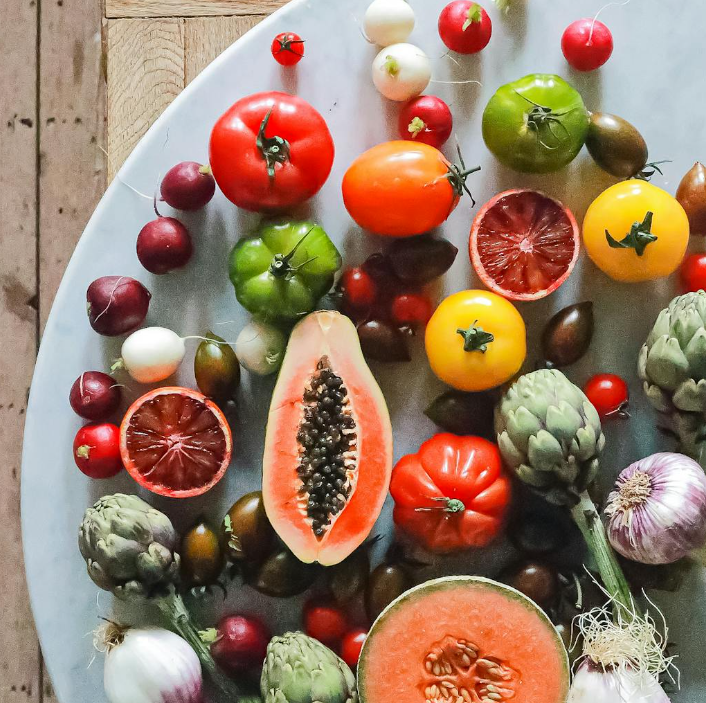
What This Image Teaches You
Look at the image above.
It shows variety. Colour. Whole foods. Minimal processing.
Each colour represents different compounds working in your body.
When your plate looks like this consistently, inflammation has less space to build.
This is not about creating perfect meals. It is about repeating simple, balanced ones.
Where to Start
Before changing everything, start here.
Look at your last three days of eating.
- How much colour was on your plate
- How often did you include fibre-rich foods
- How often did you rely on convenience foods
That is where your answer is.
Small shifts, repeated daily, change your internal environment.
Most people do not struggle with knowing what to eat. They struggle with seeing patterns.
If you want to understand how your daily food choices are influencing your inflammation levels, the Rebalance40 tracker helps you connect those patterns clearly without overthinking.


 reblance40.com
Leave a comment