Standard white toast offers little fiber and digests fast.
Why this swap matters
Sourdough fermentation supports mineral absorption and may improve blood sugar response compared with standard bread. Adding flax, pumpkin, or sunflower seeds increases fiber and healthy fats.
The swap
Swap white toast for wholegrain sourdough topped with seeds.
What you gain Steadier energy. Better fullness. More nutrients per slice.
If you rely on boxed cereal, you start your day with refined grains and added sugar. This often leads to a fast rise in blood sugar followed by a crash.
Why this swap matters
Refined cereal digests quickly and does little for fullness. Steel cut oats digest more slowly. Chia adds fiber and omega 3 fats. You stay full longer and your energy feels steadier.
The swap
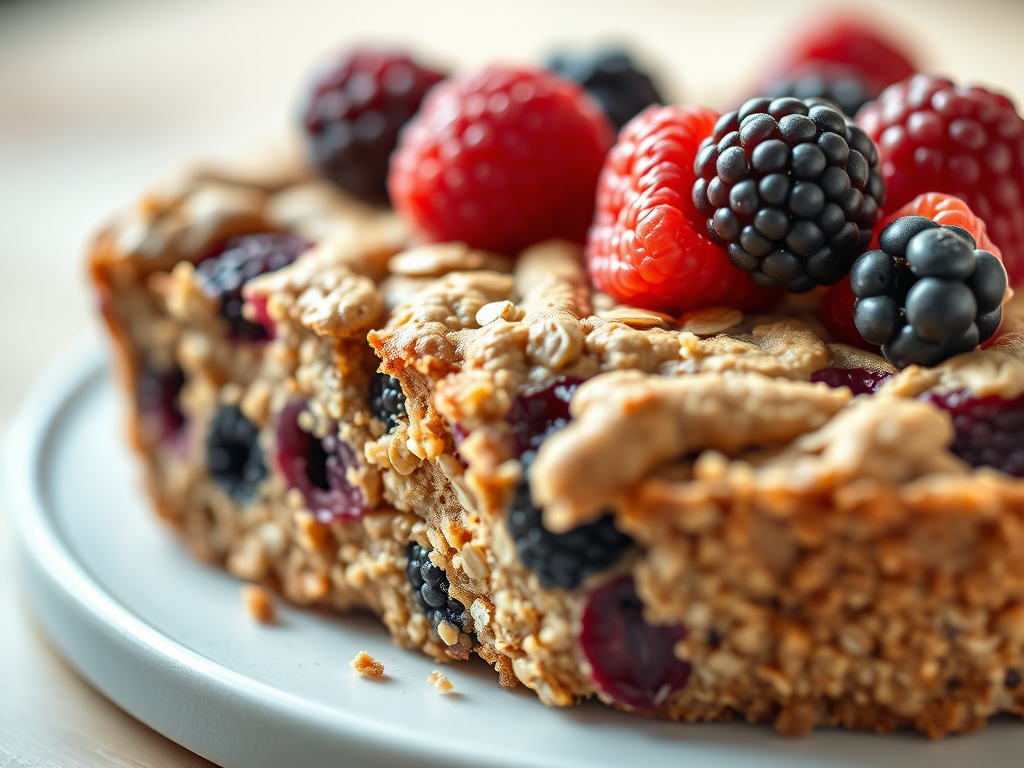
Swap cereal for a batch baked steel cut oat and chia breakfast you can portion for the week.
What you gain
More fiber.
Better morning fullness.
Less snacking before lunch.
Recipe 1: Cinnamon Berry Oat and Chia Bake
Ingredients 1 cup steel cut oats 2 tablespoons chia seeds 2 cups milk of choice 1 cup berries 1 tablespoon maple syrup 1 teaspoon cinnamon
Steps Mix all ingredients in a baking dish. Bake at 180C for 35 to 40 minutes. Cool and slice into portions.
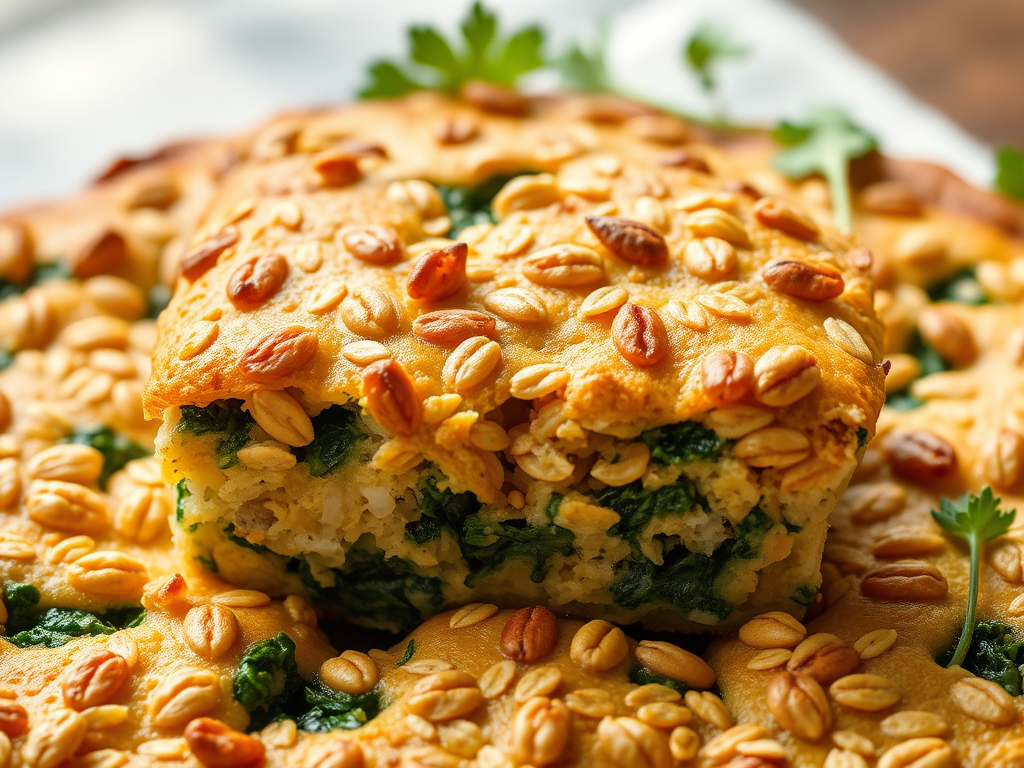
Recipe 2: Savoury Oat Bake
Ingredients 1 cup cooked steel cut oats 2 tablespoons chia 2 eggs Handful spinach Pumpkin seeds Salt and pepper
Steps Mix and pour into a small dish. Bake 20 to 25 minutes. Top with olive oil and seeds.
– You feel tired even after sleeping. – Your mood shifts faster than it used to. – Your belly feels softer and harder to manage. – You crave sugar. – Your focus feels scattered. – Your sleep is lighter.
You tell yourself it must be hormones.
You are not wrong.
But hormones rarely shift without a trigger. In many women, the hidden driver is chronic low grade inflammation.
Inflammation disrupts hormone signalling. Hormonal imbalance then increases inflammation.
This creates a loop that leaves you feeling out of balance.
If you understand the loop, you can break it.
What Is Hormonal Imbalance in Women
Hormonal imbalance does not mean your body is broken. It means communication between systems is disrupted.
Your hormones work as messengers. They coordinate:
– Energy – Metabolism – Mood – Sleep – Blood sugar – Reproductive function
The key hormones most affected in women include:
Estrogen
Progesterone
Cortisol
Insulin
Thyroid hormones
When these hormones lose balance, you may experience:
Fatigue
Belly weight gain
Brain fog
Anxiety
Short temper
Poor sleep
Heavy or irregular cycles
Many women assume this is simply age. In reality, inflammation often plays a central role.
How Inflammation Disrupts Hormones
Inflammation is your body’s protective response. In short bursts, it helps you heal. When it becomes chronic, it interferes with hormone signalling.
Here is how.
Inflammation and Insulin
Chronic inflammation reduces insulin sensitivity. When insulin does not work efficiently, blood sugar fluctuates. This leads to:
– Sugar cravings – Energy crashes – Increased fat storage, especially around the abdomen
Insulin imbalance also affects estrogen regulation.
Inflammation and Cortisol
Inflammation activates stress pathways. Your body releases cortisol to manage the stress response. Over time this can leave you feeling wired but exhausted.
High cortisol contributes to:
Sleep disruption
Belly fat storage
Anxiety
Muscle breakdown
Inflammation and Estrogen
Inflammation alters how estrogen is metabolised. Poor estrogen clearance can lead to symptoms such as:
Breast tenderness
Mood swings
Water retention
Heavy cycles
Inflammation and Thyroid Function
Inflammation can impair the conversion of thyroid hormones into their active form. This affects:
Metabolism
Body temperature
Energy
Hair and skin quality
When inflammation persists, hormone balance becomes harder to restore.
Signs Your Hormones May Be Inflamed
You do not need lab tests to notice patterns. Many women recognise these signs:
– You feel wired but tired – You wake at 3am – Your belly weight increases despite effort – Your brain feels foggy – You snap more easily – You crave sugar in the afternoon – Your sleep feels shallow – Your recovery after exercise feels slower
These are not random. They often reflect an inflammatory load your body is trying to manage.
Hormone Balance Starts With Lowering Inflammation
Hormone balance is not achieved through a single supplement. It is built through daily inputs.
Food
Blood sugar stability is foundational. Meals rich in protein, fibre, healthy fats, and polyphenol rich plants support hormone health. Processed carbohydrates and excess sugar increase inflammatory signalling.
If you need practical guidance, your Essential Grocery List for Reducing Inflammation and your Healthy Breakfast Ideas for Inflammation posts support this foundation.
Stress Regulation
Chronic stress increases inflammatory markers and disrupts cortisol rhythm. Rest and Relaxation Lower Cortisol and Inflammation explains why slowing down improves hormone balance.
Sleep
Sleep is where hormone repair happens. Poor sleep increases inflammation and insulin resistance. Your Sleep and Inflammation article expands on this repair system.
Movement
Gentle strength training and moderate aerobic movement improve insulin sensitivity and reduce inflammatory burden. Your Best Exercise for Inflammation After 40 article reinforces this.
You do not need extreme protocols. You need consistent regulation.
Why Tracking Changes Everything
Here is where most women struggle.
– They try new foods. – They reduce sugar. – They improve sleep. – They start walking more.
Then they stop because they do not see patterns clearly.
Photo by Tru01b0u1eddng Nguyu1ec5n Thanh on Pexels.com
If you are approaching 40 and noticing puffiness, joint stiffness, rising blood pressure, or fatigue that feels harder to shake, low grade inflammation is often part of the picture.
Midlife shifts in estrogen, sleep, and stress can make your inflammatory response more reactive. You may not see obvious signs like swelling, but you may feel it through:
• Brain fog • Heavier limbs • Fluid retention • Slower recovery • Belly weight gain
Hibiscus is one of the simplest additions you can make to support your body during this phase.
Why hibiscus matters in midlife
Hibiscus sabdariffa is rich in polyphenols and anthocyanins. These plant compounds act as antioxidants and help regulate inflammatory pathways.
Research has shown hibiscus may:
• Lower certain inflammatory markers • Support healthy blood pressure • Reduce oxidative stress • Improve lipid profiles • Support metabolic function
Blood pressure often rises during perimenopause and menopause. Chronic stress also increases vascular tension. Hibiscus has been studied for its ability to support systolic and diastolic blood pressure in adults, which is relevant for women navigating midlife stress and hormonal shifts.
Inflammation and oxidative stress are closely linked. When oxidative stress rises, inflammation follows. Hibiscus helps buffer this process.
How hibiscus supports hormone balance
Estrogen has protective effects on blood vessels and immune balance. As estrogen fluctuates, inflammatory signalling can increase.
Hibiscus does not replace hormones. But by supporting vascular health and reducing oxidative load, it creates a more stable internal environment.
That stability helps reduce the background inflammatory noise that many women feel but cannot explain.
Hibiscus and metabolic health
Midlife often brings changes in insulin sensitivity. Blood sugar swings drive inflammation and energy crashes.
Hibiscus has been studied for its potential role in improving metabolic markers, including glucose regulation and cholesterol balance.
When metabolic health improves, inflammatory load often decreases.
This is not about one magic ingredient. It is about consistent daily signals.
How to use hibiscus
The simplest way is as tea.
Steep dried hibiscus petals in hot water for 5 to 10 minutes. Drink warm or chill and serve over ice. You can add lemon or a small amount of raw honey if needed.
Aim for consistency rather than large amounts.
One to two cups daily is a common range used in studies.
Always check with your health professional if you are on blood pressure medication, as hibiscus can enhance blood pressure lowering effects.
Why tracking matters
Adding hibiscus is helpful. But how do you know if it is helping you?
This is where most people guess.
You might feel slightly less puffy. Maybe your afternoon energy improves. Maybe headaches reduce. But without tracking, you cannot see patterns clearly.
If you are approaching your 40s and beyond and feel bloated, foggy, puffy, tired or hormonally unsettled, you are not imagining it. Midlife changes how your body handles food, stress and recovery. What worked in your thirties often stops working.
Many women try random healthy eating plans. They cut calories. They remove entire food groups. They follow short detox trends. Yet symptoms remain.
The problem is not effort. The problem is strategy.
You do not need another generic meal plan. You need a structured anti inflammatory foundation that works with your physiology, not against it.
Why inflammation increases after 40
As estrogen shifts, your inflammatory response becomes more reactive. Blood sugar swings hit harder. Sleep disturbances increase. Stress lingers longer in the system.
Low grade chronic inflammation can show up as:
– Bloating – Brain fog – Joint stiffness – Sugar cravings – Fatigue – Belly weight gain – Restless sleep
Stabilise blood sugar – Increase fibre and polyphenol intake – Support gut bacteria diversity – Improve protein distribution – Reduce inflammatory load from ultra processed foods
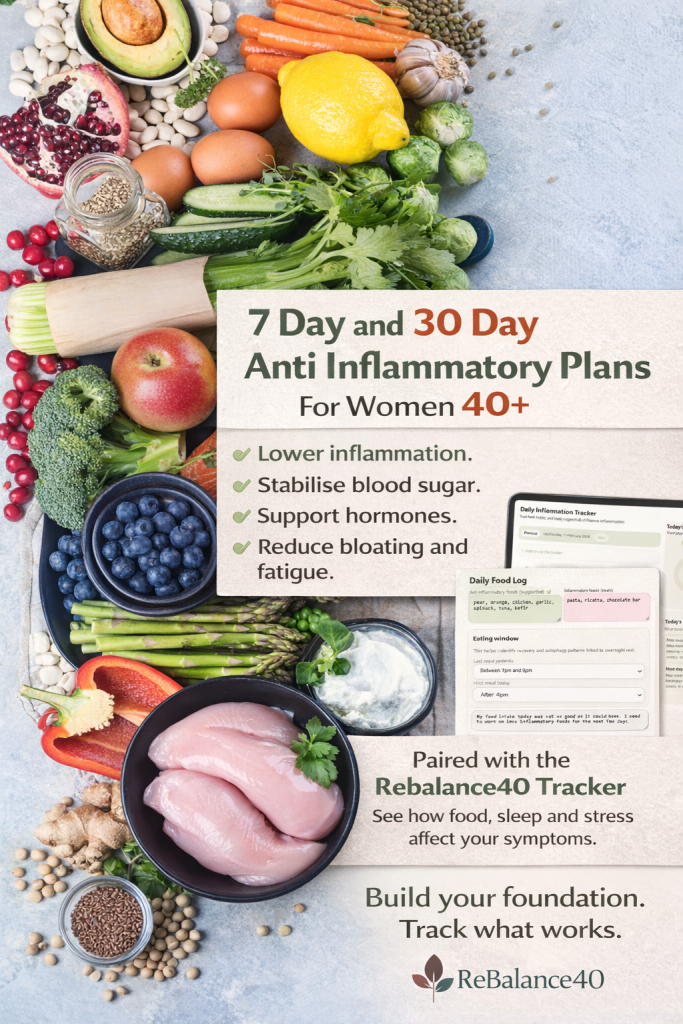
Each day is built around balanced protein, healthy fats, fibre rich carbohydrates and protective micronutrients.
The 7 day plan helps you reset and feel early changes. The 30 day plan helps you build consistency and momentum.
This is about creating a metabolic environment where inflammation can reduce.
But here is where most meal plans stop.
Why meal plans alone are not enough
Two women can eat the same meal and respond differently.
One may feel energised. Another may feel bloated.
One may sleep better. Another may wake at 3am.
If you only follow a plan without tracking your response, you are guessing.
If you are over 40 and noticing these symptoms, you may assume your hormones are the problem.
But what if chronic stress is driving the same symptoms?
The truth is this: hormone imbalance and chronic stress often look identical on the surface. The body uses overlapping pathways, which is why so many women feel confused about what is really happening.
Why the symptoms overlap
Both hormone imbalance and chronic stress influence:
Cortisol output
Blood sugar regulation
Insulin response
Sleep quality
Fat storage patterns
Inflammatory signalling
When cortisol stays elevated for long periods, it disrupts other hormones including estrogen, progesterone, thyroid hormones, and insulin. That disruption creates symptoms that feel hormonal.
At the same time, shifting estrogen levels in perimenopause make the nervous system more reactive to stress. So stress symptoms can intensify during hormonal transition.
It becomes a loop.
How chronic stress mimics hormone imbalance
Chronic stress can cause:
Fatigue from poor sleep and adrenal strain
Sugar cravings due to unstable glucose
Mood swings from cortisol spikes
Belly weight gain linked to insulin resistance
If your lifestyle includes high stress, inconsistent sleep, blood sugar swings, and little recovery, stress may be the primary driver.
How hormone shifts amplify stress
As estrogen fluctuates:
Inflammation can rise more easily
Sleep can become lighter
Cortisol sensitivity increases
Blood sugar becomes less stable
Even normal life stress can feel amplified.
That is why midlife symptoms often feel sudden and confusing.
How to begin telling the difference
Instead of guessing, look for patterns.
Ask yourself:
Do symptoms worsen after stressful weeks?
Do they improve after rest?
Do they fluctuate with your cycle?
Are they worse after poor sleep?
Do high sugar days increase symptoms?
Hormonal patterns often show rhythmic fluctuation. Stress patterns tend to follow life load and recovery.
But most women cannot answer these questions clearly because memory is unreliable.
This is where structured tracking changes everything.
– What you ate – How you slept – How stressed you felt – Your hormonal context – How your body responded
Over days and weeks, patterns emerge.
You may notice that fatigue follows poor sleep and high stress rather than cycle phase. Or that mood swings cluster around specific hormonal windows. Or that both stress and hormones amplify symptoms together.
This clarity reduces anxiety and supports better decisions.
What to focus on first
If you are unsure whether hormones or stress are driving your symptoms, start by stabilising:
Sleep timing
Protein and fibre intake
Hydration
Gentle movement
Stress exposure
Then track consistently for two weeks.
Data replaces assumption.
Final thought
It is not hormones or stress.
It is often hormones plus stress interacting through inflammation and blood sugar pathways.
When you understand the pattern, you stop chasing random fixes and start making targeted adjustments.
If you are approaching 40 and finding yourself more forgetful, slower to think, or struggling to focus, you are not imagining it. Brain fog in midlife is common. It is also rarely random.
Many women blame themselves. They assume they are not sleeping enough, not organised enough, or not trying hard enough.
In reality, brain fog often reflects raised cortisol, hidden inflammation, and shifting hormone output.
Your brain is responding to physiology.
What brain fog in midlife feels like
Brain fog is not just occasional distraction. It can look like:
Forgetfulness
Morning grogginess even after sleep
Poor focus
Losing words mid sentence
Difficulty processing information
Mental fatigue by mid afternoon
These symptoms often fluctuate. Some days feel clear. Others feel heavy and slow.
That variability is a clue.
The cortisol connection
Cortisol is your primary stress hormone. In small doses, it helps you wake up, focus, and respond to challenge.
When stress becomes chronic, cortisol remains elevated for longer periods. This affects:
Sleep quality
Blood sugar regulation
Inflammatory signalling
Memory processing
High or poorly regulated cortisol can disrupt deep sleep stages. Without restorative sleep, your brain does not clear metabolic waste efficiently. You wake up groggy, not refreshed.
Chronic stress also keeps your nervous system on alert. That constant background activation makes sustained focus harder.
Inflammation and cognitive clarity
Inflammation is not only about joints or digestion. It affects the brain as well.
Systemic inflammation can influence neurotransmitter balance, insulin sensitivity in the brain, and vascular function. This can contribute to:
Slower recall
Reduced concentration
Mood fluctuations
Mental fatigue
In midlife, when estrogen begins to fluctuate, inflammatory sensitivity can increase. Estrogen has protective effects on the brain. As levels shift, stress and inflammatory load can feel amplified.
Hormone shifts and mental performance
Estrogen influences:
Serotonin and dopamine pathways
Glucose metabolism in the brain
Sleep regulation
Cognitive flexibility
When estrogen output becomes irregular in perimenopause, you may notice that your thinking changes across your cycle or from month to month.
Some weeks feel sharp and capable. Others feel foggy and flat.
This is not a character flaw. It is hormone context.
Blood sugar and brain fog
The brain relies heavily on stable glucose supply. Repeated blood sugar spikes and crashes strain insulin response and increase inflammatory signalling.
Refined carbohydrates, long gaps between meals, and high stress all contribute to unstable glucose patterns.
When blood sugar drops rapidly, you may experience:
Irritability
Shakiness
Difficulty concentrating
Sudden fatigue
Over time, this instability can feed both cortisol dysregulation and inflammation.
Sleep as a multiplier
Even modest sleep disruption increases inflammatory markers. Poor sleep also raises cortisol the following day.
In midlife, sleep is often affected by:
Hormone fluctuations
Night sweats
Stress
Late evening screen exposure
Irregular routines
When sleep suffers, cognitive clarity often follows.
Many women respond by pushing harder. More caffeine. More intensity. More control.
If your nervous system is already strained, that approach often worsens the cycle.
Why tracking matters
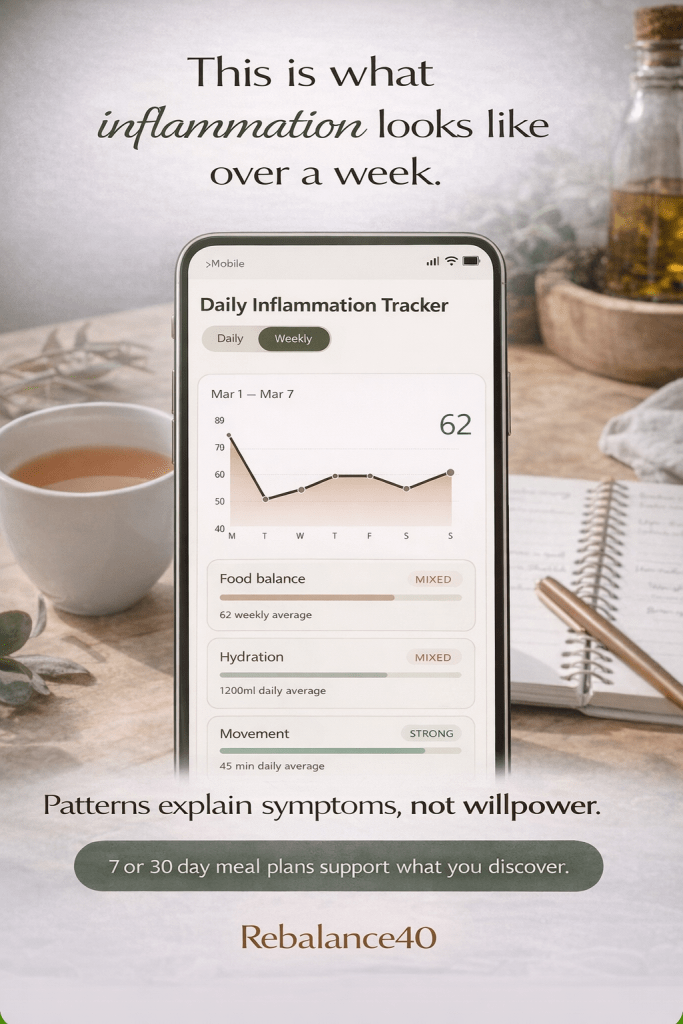
Brain fog rarely has one single cause. It is usually the result of interacting factors.This is exactly where the Rebalance40 Anti Inflammatory Tracker becomes essential. Brain fog is rarely caused by one factor, so guessing will not give you answers. The tracker allows you to log what you ate, how you slept, your stress level, your hormonal phase, and how your body and mind felt each day. Over time, you can see whether poor sleep, higher stress, blood sugar swings, or certain foods consistently precede low focus or morning grogginess. Instead of assuming, you identify patterns. That clarity allows you to adjust gently and reduce the inflammatory load affecting your cognitive performance.
This is why guessing is frustrating.
When you track:
Sleep quality
Stress level
Hormonal phase
Meals and food types
Energy levels
Cognitive clarity
You begin to see patterns.
You may notice that fog is worse after short sleep and high stress. Or during certain hormonal phases. Or following higher sugar intake.
This clarity reduces anxiety. Reduced anxiety lowers nervous system load. Lower nervous system load supports inflammation regulation.
Small shifts that support clarity
– Stabilise blood sugar with protein and fibre at meals. – Prioritise consistent sleep timing. – Reduce late evening stimulation. – Use gentle movement rather than constant high intensity sessions. – Build short stress regulation practices into your day.
These are not dramatic interventions. They are steady stabilisers.
Midlife brain fog is not random and it is not a sign that you are failing.
It is often a signal that your nervous system, hormones, and inflammatory load need support.
When you approach it as a systems issue rather than a personal flaw, your strategy changes.
You stop chasing symptoms.
You start observing patterns.
And from there, you can make adjustments that bring your clarity back, gently and sustainably.
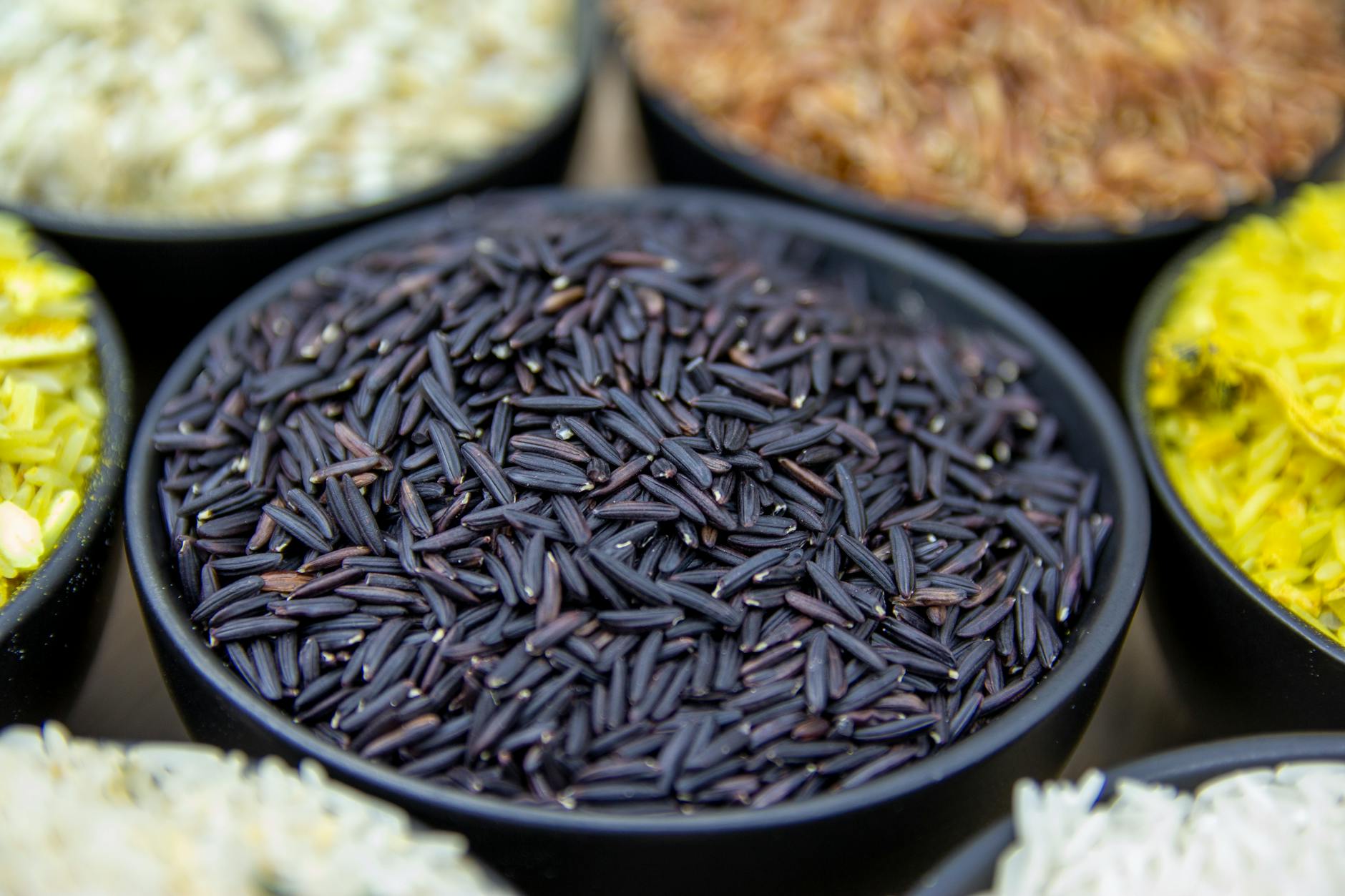
If you enjoy rice but want to reduce inflammation, this is one of the simplest swaps you can make.
White rice is easy to digest and widely used, but it offers limited fibre and fewer protective plant compounds. In midlife, when hormone shifts can increase inflammatory sensitivity, blood sugar swings and gut imbalances matter more than they once did.
Black rice offers a smarter option.
Why inflammation rises in midlife
As estrogen fluctuates in perimenopause and menopause, the body becomes more sensitive to stress, glucose spikes, poor sleep, and gut disruption. Inflammation can show up as:
Bloating
Joint discomfort
Brain fog
Fatigue
Puffiness
Digestive changes
Small daily food choices begin to matter more. This is not about restriction. It is about reducing inflammatory load consistently.
Why black rice is different
Black rice contains anthocyanins, the same antioxidant compounds found in blueberries. These plant compounds help regulate inflammatory pathways and support vascular and metabolic health.
Compared to white rice, black rice provides:
– Higher polyphenol content – More fibre for steadier blood sugar – Better support for gut bacteria diversity
White rice digests quickly and can cause sharper glucose rises. Repeated spikes contribute to insulin stress, which can increase inflammatory signalling over time.
Black rice slows that process down.
Fibre and glucose stability
Fibre is critical for midlife women. It helps:
Improve insulin sensitivity
Support bowel regularity
Feed beneficial gut bacteria
Reduce systemic inflammation
Black rice contains significantly more fibre than white rice. That means steadier energy and fewer reactive crashes.
If you struggle with afternoon fatigue or sugar cravings, this swap can make a noticeable difference over weeks.
Gut health and inflammation
Your gut microbiome influences inflammation, mood, immunity, and hormone balance. Diverse plant compounds feed diverse bacteria.
Black rice supports this diversity better than refined white rice.
When gut balance improves, many women notice:
Less bloating
More stable digestion
Improved energy
Fewer inflammatory flares
This is not about one meal. It is about repeated supportive choices.
How to use black rice
Cook black rice as you would regular rice. It has a slightly nutty flavour and firm texture.
Pair it with:
– Salmon and leafy greens – Beans and olive oil – Roasted vegetables and tahini – Chicken and cruciferous vegetables
Aim for half to one cup cooked per serving, several days per week if it suits you.
You do not need to eliminate white rice completely. This is a swap, not a rule.
Tracking makes the difference
Here is where most women miss the opportunity.
You can make healthy swaps, but unless you track how your body responds, you are still guessing.
Most health apps track what you did. Steps. Calories. Workouts.
They collect numbers but ignore the most important question.
How did you actually feel?
If you are in your mid thirties, forties or beyond and struggling with bloating, joint pain, brain fog, fatigue, puffiness or restless sleep, you already know this. You can eat well and still feel inflamed. You can exercise and still feel swollen. You can track everything and still have no clarity.
– This is not a calorie counter. – This is not a fitness tracker. – This is not a streak based app.
It is a structured system designed to connect your choices with your symptoms over hours, days, weeks and months.
Why midlife women need a different kind of tracker
Hormone shifts change how your body responds to stress, food, sleep and movement. Estrogen fluctuations affect inflammation, insulin response, gut sensitivity and recovery.
What worked at 30 does not always work at 40.
Most trackers treat your body like a machine. Input. Output. Burn more. Eat less.
Because inflammation is rarely caused by one food or one day. It builds through patterns.
What makes this tracker different
It focuses on how you feel
You log energy, pain, digestion, bloating, puffiness, itchiness, headaches, restless legs, sleep quality and stress.
Not as an afterthought. As the central data.
This means you can see that chocolate was fine one day but triggered bloating during a high stress week. Or that improved sleep reduced headaches over three days. Or that fasting felt good during low stress but worsened symptoms during hormonal shifts.
This is insight. Not arbitrary data.
It connects food to inflammatory response
You log supportive foods and occasional inflammatory foods in simple language. No weighing. No obsessive precision.
Behind the scenes, foods are supported by a structured library that reflects inflammatory load, polyphenols, glycaemic impact, gut support and insulin response.
Your score reflects balance, not judgement.
A lower score is information. It is not failure.
It respects hormonal influence
You log your cycle phase or life stage. You track hormone related signals such as bloating, mood shifts, headaches, cravings or hot flushes.
This helps you see patterns across your cycle or perimenopause journey. You stop asking why you suddenly feel worse and start understanding the context.
It keeps your history visible
Nothing disappears.
Inflammation builds through repetition. So does progress.
Your entries remain visible. You can edit them. Add to them. Export them. Review them.
You can see how improved sleep over two weeks reduced morning pain. You can see how lower stress days improved digestion. You can see how consistent hydration stabilised energy.
This is long term clarity.
It rewards awareness, not perfection
Rebalance40 does not use badges or streak pressure.
Progress looks like:
Recognising food sensitivities
Noticing stress related flares
Understanding how fasting affects your energy
Adjusting gently instead of reacting dramatically
For many women, the first improvement is mental clarity. They stop blaming themselves. They start observing patterns.
That shift reduces anxiety. Reduced anxiety lowers nervous system load. Lower nervous system load supports inflammation reduction.
It answers the questions most women are quietly asking:
Why do I feel worse some weeks?
Why does this food affect me differently now?
Why am I tired even when I am trying?
What is actually helping?
This tracker turns those questions into visible data tied to your lived experience.
Not generic advice. Your patterns.
And everything you log belongs to you. You can export your entries as a spreadsheet or PDF to review or share with a health professional.
Your progress is never locked inside the app.
If you are tired of arbitrary apps that record numbers without context, and you want a calm, structured way to understand inflammation in midlife, Rebalance40 gives you that clarity.
If you feel more tired, swollen, reactive, or foggy in your forties than you did in your thirties, chronic stress may be driving more than you realise.
Inflammation is not only about food. It is also about stress signals.
Your nervous system does not separate emotional stress from physical stress. Deadlines, poor sleep, blood sugar swings, relationship tension, and gut irritation all activate the same stress response.
When stress stays high, inflammation rises.
Here are 10 signs chronic stress may be increasing inflammation in your body.
You wake up tired even after sleeping
You go to bed on time, but you wake up exhausted.
Chronic stress raises night time cortisol. Elevated cortisol disrupts deep sleep. Without restorative sleep, inflammatory markers rise. You may feel wired at night and drained in the morning.
Brain fog and poor focus
You forget simple things. You struggle to concentrate. You feel mentally slower.
Chronic stress affects blood flow, glucose regulation, and inflammatory signalling in the brain. Inflammation in the nervous system can show up as fog, low motivation, and slower thinking.
Bloating that worsens during busy weeks
Your digestion feels worse when life feels intense.
Stress reduces digestive enzyme production and alters gut motility. It also increases gut permeability, which can amplify inflammatory responses. If your bloating flares after high stress days, that is a pattern.
Increased sugar cravings
You crave quick energy, especially in the afternoon or evening.
Stress hormones raise blood sugar, then cause crashes. These fluctuations trigger cravings. Repeated spikes and crashes increase inflammatory load over time.
Joint stiffness or achy muscles
You feel more stiff or sore, especially after stressful periods.
Chronic stress increases pro inflammatory cytokines. This can intensify joint discomfort, muscle tension, and slow recovery after exercise.
Mood swings and irritability
You react faster and recover slower.
Stress and inflammation influence neurotransmitters. When inflammatory signals rise, mood stability can decline. Irritability, anxiety, and low mood often travel with chronic stress.
Frequent headaches
Headaches or pressure at the temples may increase.
Stress tightens muscles and raises inflammatory mediators. Chronic tension and inflammatory signalling can trigger more frequent headaches.
Slower recovery from workouts
The routine that once felt manageable now leaves you depleted.
Inflammation is part of normal recovery. But when stress is already high, your body struggles to repair efficiently. Recovery slows and fatigue increases.
Skin flare ups
You notice more breakouts, rashes, or sensitivity.
Skin is an inflammatory organ. When systemic inflammation rises, it often shows up on the surface.
Weight gain around the middle
You are not eating more, but your body composition shifts.
Chronic stress elevates cortisol. Elevated cortisol promotes abdominal fat storage and increases inflammatory signalling. Stress related weight gain is often inflammation driven.
The stress inflammation loop
Stress increases inflammation. Inflammation makes you feel worse. Feeling worse increases stress.
This loop is common in midlife because hormone shifts make the stress response more sensitive.
This is not a lack of discipline. It is physiology.
Why guessing does not work
Many women try to solve one symptom at a time. They remove one food. They add one supplement. They increase exercise intensity.
But stress driven inflammation is pattern based.
It is the combination of sleep, stress, meals, movement, and recovery that matters.
Why tracking changes everything
When you track:
Sleep quality
Stress levels
Meals and blood sugar patterns
Digestion
Energy
Symptoms
You begin to see cause and effect.
You may notice your worst inflammation days follow short sleep and high stress, not a single ingredient.
It helps you see patterns across stress, hormones, gut health, sleep, hydration, and movement. Instead of guessing, you identify what increases your inflammatory load and what reduces it.
Clarity lowers anxiety.
Lower anxiety reduces nervous system load. Reduced nervous system load helps inflammation settle.
Chronic stress does not have to control your midlife health.
Your body is not failing you. It is communicating.
When you track consistently, you stop reacting and start responding.
If you are ready to understand what is driving your symptoms, start tracking your stress, sleep, food, and inflammation patterns with the Rebalance40 Anti Inflammatory Tracker.






 Rebalance40